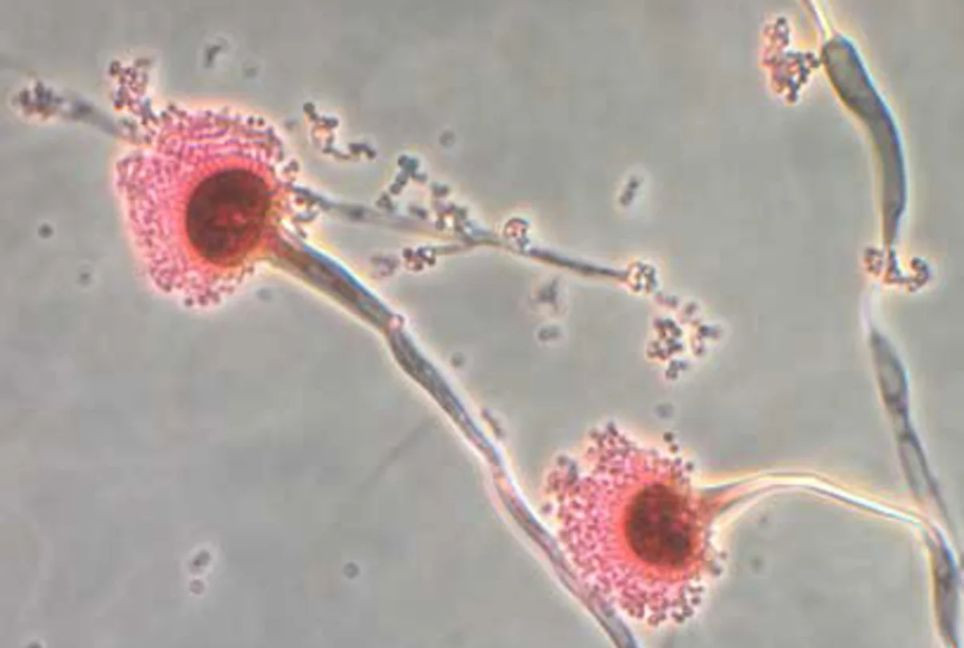
As global temperatures rise, deadly fungal infections could spread rapidly across new regions, putting millions more at risk, researchers from the University of Manchester have warned.
Their latest study, which used climate models and computer simulations, shows that certain types of Aspergillus fungi—responsible for the life-threatening lung disease aspergillosis—are likely to expand into parts of North America, Europe, China and Russia, reports CNN.
These fungi already kill around 2.5 million people annually, but experts fear the number is underestimated due to limited data.
“Fungal pathogens will likely impact most areas of the world in the future,” said lead researcher Norman van Rijn. Unlike bacteria or viruses, fungal threats remain under-researched despite their rising danger.
Aspergillus fungi are commonly found in soil and release spores that people inhale daily. While most healthy individuals remain unaffected, the fungi can cause serious infections in those with lung conditions, weakened immune systems, or a history of severe flu or COVID-19.
In vulnerable patients, the fungus can grow inside the lungs with fatal consequences. Aspergillosis has a high mortality rate of 20 percent to 40 percent and is hard to diagnose due to its flu-like symptoms and low awareness among doctors.
The Manchester study warns that Aspergillus flavus, which thrives in tropical climates and resists antifungal drugs, could increase its spread by 16 percent under current fossil fuel emission levels, potentially threatening food security as well. Another species, Aspergillus fumigatus, may expand by over 77 percent by 2100, exposing millions in Europe.
Warmer climates are also making fungi more adaptable to human body temperatures, while extreme weather events could carry spores over long distances, increasing outbreak risks.
Despite these threats, fungal infections receive little attention or funding. “There is a desperate need to reverse this trend,” said Elaine Bignell, a medical mycology expert at the University of Exeter.
With rising infections and resistance to current treatments, experts warn the world is dangerously underprepared for the growing fungal threat.
Bd-pratidin English/FNC