Physical health and mental energy depends on what's on your plate. Right diet gives cognition a powerful boost. Moreover, eating healthy prevents the risks of cognitive decline and neurodegenerative diseases.
Hindustan Times reached out to experts who shared the appropriate diet, covering essential foods and beverages for boosting cognitive abilities.
Dr Gayathri Srinivasan, Dietician at Apollo clinic in India, emphasised brain-friendly food's diet features stating, “As the proverb says, ‘sound mind in a sound body,’ nutrition plays a key role in improving cognitive function and mental clarity. Because the right choice of food is fuel to the brain, it reduces inflammation and helps neutralise free radicals by reducing oxidative stress.
“In particular, to combat burnout and overcome mental fatigue, we need to have a well-balanced diet and focus on a diet rich in Omega- 3 which boosts memory and enhances mood. Foods rich in healthy fats, vitamins, zinc, magnesium, and amino acids help regulate the secretion of serotonin and dopamine, which are neurotransmitters.”
Dr Monal Velangi, senior dietitian at the Department of Nutrition and Dietetics, K J Somaiya Hospital and Research Centre in India, highlighted how the relentless pace of urban life can take a toll on brain health, leading to burnout and mental fatigue.
She noted, “Embracing proper nutrition can be a powerful strategy to combat brain fog and enhance mental energy.”
According to the Hindustan Times' report, here is a curated a guide based on the experts' recommendations on food and beverages for a brain-friendly diet.
Foods
Dr Gayathri Srinivasan shared this guide for foods:
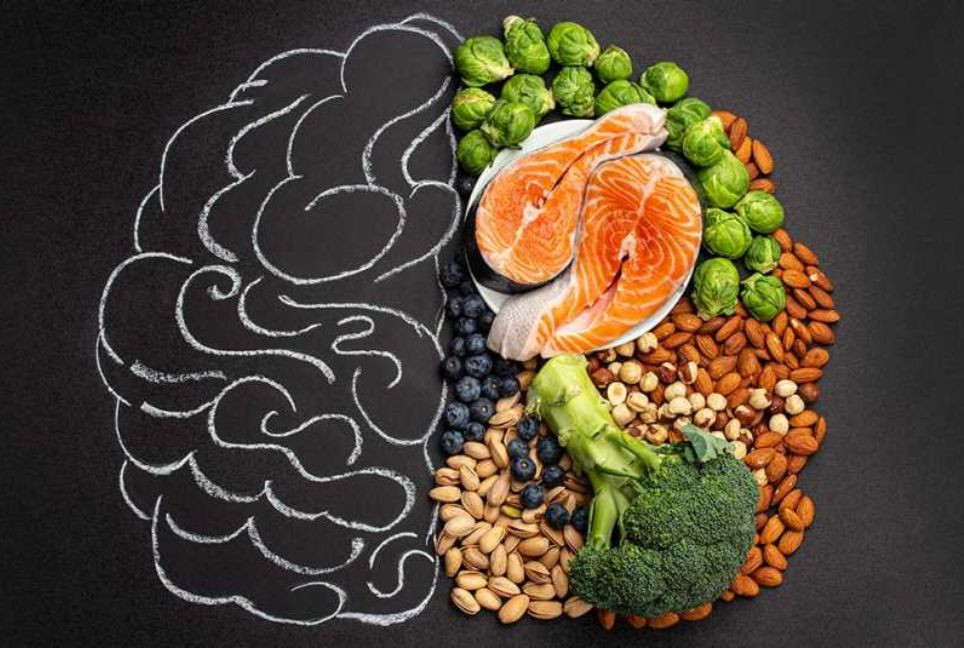
Fatty fish: Sardines, salmon, mackerel (non-vegetarian sources of Omega-3).
Leafy greens: Packed with antioxidants, vitamins, and folate to increase focus and strengthen neural health.
Eggs: Lutein and zeaxanthin protect cells from oxidative damage.
Nuts and seeds: Walnuts, almonds, chia seeds, flax seeds, and pumpkin seeds provide vitamin E, monounsaturated fats, zinc, selenium, and magnesium.
Berries and avocado: Rich in antioxidants that protect brain cells.
Whole grains: Quinoa, brown rice, whole wheat, oats, provide energy and prevent brain fog.
Dark chocolate: Contains flavonoids with antioxidant properties.
Adding to the list, Dr Monal Velangi recommended these:
Spices: Turmeric, with its active compound curcumin, offers potent anti-inflammatory benefits that support brain function. Moreover, other than turmeric, cinnamon, and cloves, along with various fruits and vegetables, protect brain cells from damaging oxidative stress.
Probiotics: Curd or buttermilk contributes to a healthy gut microbiome, which has a strong connection to mental wellbeing.
Hydration
Our brain constitutes more than 75 percent water. Dehydration affects attention, mood, and memory, leading to brain fog. Water helps flush toxins out of the body and helps transport nutrients. Include water-rich fruits like melons, oranges, and cucumbers. Summer drinks like lemonade and mint crush are also ideal. “Aim to have at least six to eight glasses of water a day,” Dr Gayathri said.
Dr Monal suggested drinks such as coconut water, lemon water, and mint-infused water, which help maintain electrolyte balance.
Timeline and benefits of a good diet
For those wondering when the benefits of a brain-friendly diet might show, Dr Gayathri Srinivasan outlined both the short-term timeline and the long-term advantages:
Within a span of two to four weeks, one can see improvement in overall well-being because a good diet helps regulate blood sugar levels, regulate sleep, uplift mood by reducing fatigue, reduce cognitive decline, and sharpen thinking and processing.
In the long term, it supports good brain health, thus preventing Alzheimer’s and Parkinson’s, which are degenerative diseases.
Courtesy: Hindustan Times
Bd-pratidin English/FNC