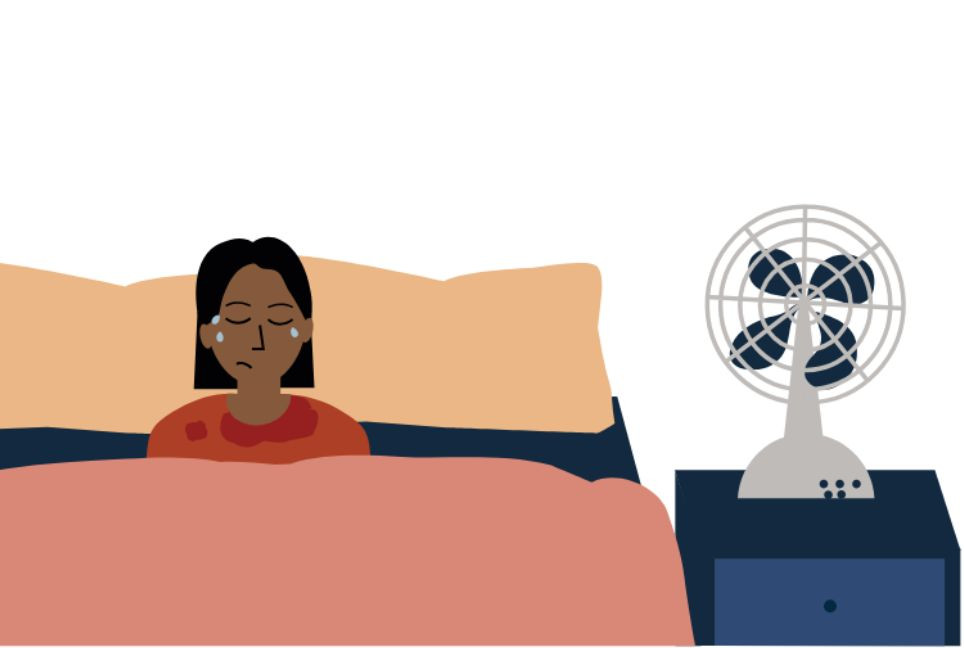
With global temperatures on the rise, scientists are turning their focus to the growing impact of heat on sleep quality — and how we can adapt. Research shows that climate change and urbanisation are increasingly disrupting human sleep, with wide-ranging effects on health, performance, and wellbeing.
The human brain is highly sensitive to heat. High temperatures raise the body's internal thermostat, activate stress responses, and interfere with sleep-regulating neurons. A 2024 review in Sleep Medicine warned that rising temperatures pose a “planetary threat” to sleep, reports AFP.
According to a 2022 study published in One Earth, humans lost an average of 44 hours of sleep per year during the early 21st century due to warming temperatures. A follow-up study by Kelton Minor at the University of Copenhagen projected a potential annual sleep loss of 50 to 58 hours per person by 2099, based on data from over 47,000 people in 68 countries.
Researchers emphasize the need for behavioral adaptation, especially during heatwaves. “We sweat more and faster, which requires more hydration. But that has limits,” said Fabien Sauvet of Paris Cité University. He suggests adjusting daily routines, clothing, and indoor conditions to cope.
Contrary to the belief that bedrooms should be 18 to 20 degrees Celsius, Sauvet said good sleep is possible even at 28 degrees Celsius if proper ventilation, light clothing, and minimal bedding are used. He warned against constant use of air conditioning, which hinders natural acclimatisation.
Neuroscientist Armelle Rancillac added that sleep quality sharply declines above 28 degrees Celsius, and persistent sleep loss can lead to fatigue, reduced stress tolerance, and increased risks of diabetes, cardiovascular issues, and mental health disorders.
To improve sleep in warmer conditions, experts recommend avoiding stimulants like coffee and alcohol before bedtime, taking cool (not icy) showers, skipping hot tubs, and opting for brief midday naps — ideally 30–40 minutes before 2:00 pm — to help counter sleep deficits without disrupting nighttime rest.
As the planet heats up, scientists stress that more intervention studies and real-world experiments are urgently needed to protect the vital role of sleep in human health.
Bd-pratidin English/FNC