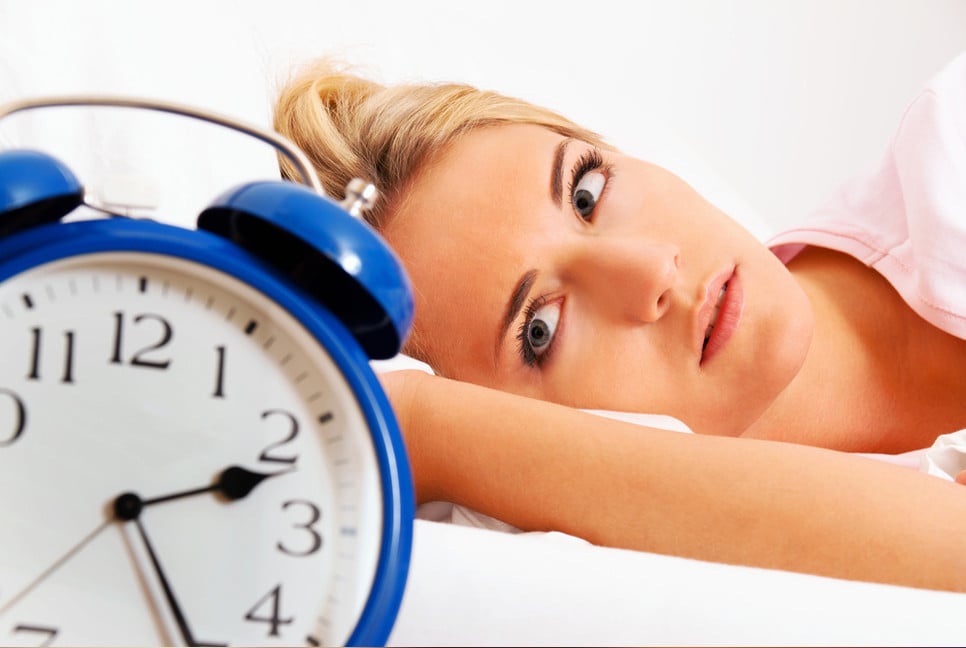
Did you know that the plastics in everyday items like food packaging, toys, and medical equipment might be affecting your sleep? New research suggests that chemicals in materials like PVC (used in medical feeding tubes) and polyurethane (found in hydration pouches) can interfere with your body’s natural circadian rhythm, the internal clock that regulates your sleep-wake cycle.
These materials, along with PVC and polyurethane, are commonly found in items such as children's toys, food packaging, and furniture, reports the guardian.
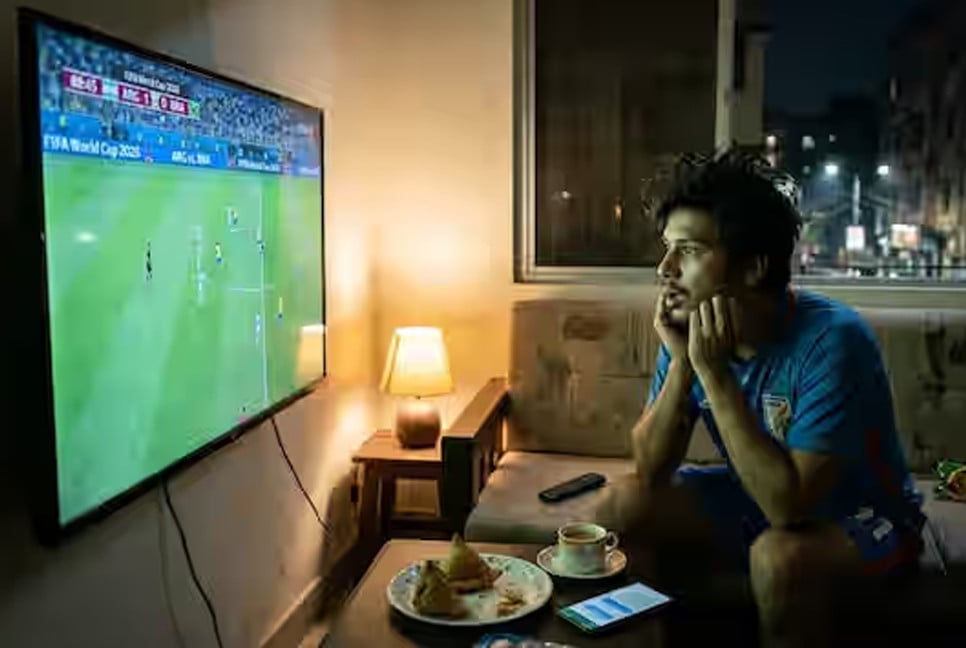
The study, which examined how plastic chemicals impact cell signals, found that these chemicals could throw off the body’s internal clock by up to 17 minutes, disrupting our natural rhythm in a way similar to caffeine. Just like coffee, which blocks the adenosine receptor in the brain to keep us awake, these chemicals activate the same receptor, potentially delaying your body's natural sleep signals.
While the chemicals in plastics aren’t as potent as caffeine, their impact on your body’s circadian rhythm happens much more quickly, possibly leading to sleep disturbances, higher risks of obesity, diabetes, and even cancer, according to researchers. Shifting circadian rhythms have already been linked to a range of health issues, including heart disease and dementia.
Martin Wagner, a researcher at the Norwegian Institute of Science and Technology and co-author of the study, emphasized the need for more research to understand the long-term effects of these chemicals. However, he pointed out that this study adds to growing evidence that plastics can have a wide range of harmful effects on our health.
As we continue to learn more, experts are calling for a fundamental shift in how plastics are designed and produced to ensure they are safer for our health. Until then, it's worth considering the potential hidden dangers in the plastic products you use daily, from the toys your kids play with to the packaging your food comes in.
Bd-pratidin English/ Afia