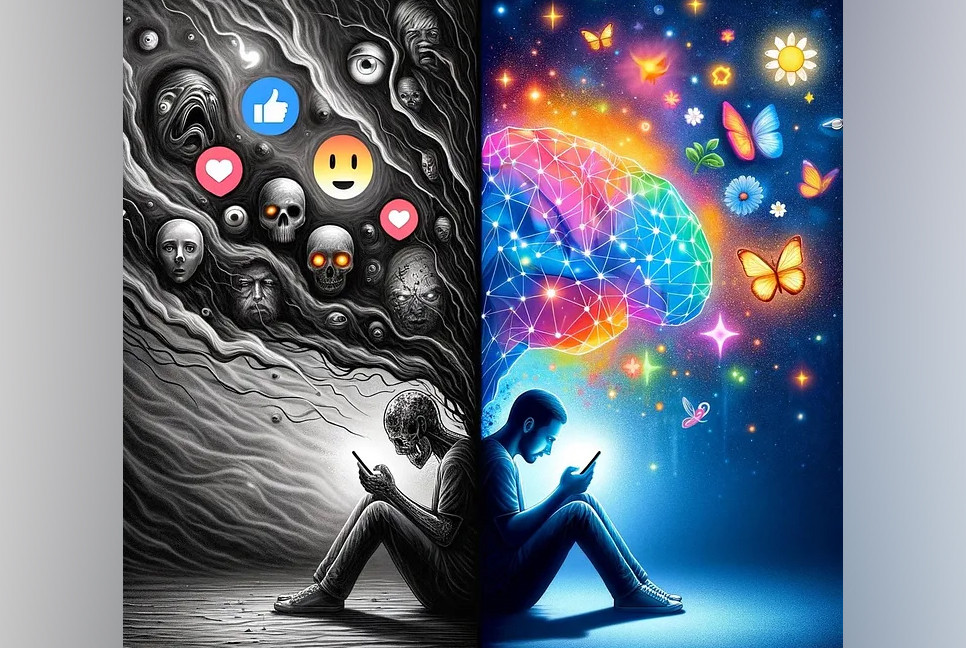
The fate of Generation Z appears bleak, but it’s crucial to recognize that they aren’t solely responsible for their circumstances. As a member of Gen Z, I feel a sense of disappointment rather than pride in belonging to this generation. It’s characterized by degeneracy, hate, insecurity, and a lack of accountability. However, it’s unfair to place the blame entirely on them. These traits were imposed upon them from birth, shaping their worldview and experiences.
What Caused This Crisis?
The catastrophic state of this generation stems primarily from the unchecked and unregulated consumption of online content. The term “iPad kids” is swiftly becoming a norm to depict youngsters growing up tethered to their devices, devoid of genuine face-to-face interactions. Gone are the days of playing with action figures or dolls; now, boys dress up virtual characters and immerse themselves in virtual strip clubs on games like GTA, while girls prematurely apply makeup, hastening the aging of their skin. So, everything’s just fine, isn’t it? I bet you and most folks would strongly disagree, yet you seem unfazed. Your ten-year-old cousin immerses in GTA, and your daughter, at just 13, navigates Instagram. Oh, by the way, at 13, they supposedly control their data, unaware that every online escapade, every childish mistake, is meticulously tracked and stored. And yet, you see no issue with this?
The Problems social media has created for Gen Z :
It’s imperative that we prioritize the protection of our youth. They’re often unaware of the hazards lurking within the realm of social media. It falls upon us to educate our children, family members, and friends about these dangers and how to navigate social media safely. The crisis we face, compounded by issues like vaping, body dysmorphia, dangerous challenges, and the relentless documentation of our lives, can largely be attributed to social media. The dangers of vaping are evident, with common ingredients including antifreeze. If this alone isn’t reason enough to steer clear, then what is?
The prevalence of body dysmorphia among the youth is alarming, fueled by the unrealistic beauty standards perpetuated online. These standards infiltrate impressionable minds, driving them towards dangerously unhealthy diets that can lead to both underweight and overweight conditions, both of which pose severe health risks. Models on platforms like Instagram often set unattainable benchmarks, exacerbating the issue. Additionally, the misuse of the “body positivity” movement further complicates matters. While it should serve as a platform for individuals who have endured trauma like burns or loss of limbs, it’s often co-opted by those who overindulge. This misuse dilutes the message and leaves those truly in need without the support they deserve. While these issues may seem glaringly obvious, they remain pressing concerns for this generation, underscoring the dire need for better role models and support systems.
Social media challenges have posed significant dangers to teenagers worldwide for years, resulting in critical conditions and, tragically, even death in some cases. Among the most alarming was the “Benadryl challenge,” which prompted participants to ingest large quantities of Benadryl and record themselves experiencing hallucinations or “tripping.” If you’re curious to delve deeper into the specifics of this harrowing challenge, you can find more information by clicking “here.” The prevalence of such reckless challenges highlights the susceptibility of teenagers to online influence. It’s a sobering reminder of the pervasive micro-brainwashing that has shaped their perceptions and worldviews over the years.
Since their early years, children and teenagers have unwittingly been cataloging their lives through social media, sharing TikToks from as young as six years old into their teenage years. This practice not only exposes them to online harassment and negativity but also immortalizes their mistakes and lapses in judgment. Such indiscretions, when captured and shared online, can have profound consequences on their future. Countless instances exist where successful young individuals have been haunted by old tweets, posted in a moment of vulnerability or intoxication, resurfacing to tarnish their reputations. This serves as a stark reminder of the long-lasting impact of impulsive online behaviour. Indeed, children will be children, but it falls upon us, the adults in their lives, to ensure they’re not engaging in risky behaviors at such a tender age. Proper education is key in helping them understand how their data is handled online, the associated risks, as well as the potential benefits and drawbacks. By providing them with comprehensive guidance, we empower them to make informed decisions and navigate the digital landscape responsibly. It’s our responsibility to equip them with the knowledge and skills necessary to thrive in an increasingly interconnected world while safeguarding their well-being and future prospects.
The mental effect Social media has had on Gen z
The rise of “Tik Tok” marked a turning point for Generation Z, but not for the better. TikTok’s algorithm, renowned for its uncanny accuracy, can predict precisely what content viewers desire. Yet, the truly concerning aspect lies in its penchant for promoting sad content to vulnerable young teenagers. This troubling manipulation reinforces their negative emotions, rewarding them with relatable sorrow. Consequently, each time they experience sadness, they turn to TikTok for solace, only to be met with an onslaught of despondency. This vicious cycle shapes their perception of people and the world, saturating it with an overwhelming sense of negativity and sadness.
Presently, we witness a generation marred by sadness, comprising young and impulsive teenagers. This distressing trend has precipitated outcomes such as drug abuse, self-harm, and myriad other issues. Unfortunately, the cycle perpetuates itself annually, with an increasing number of teenagers succumbing to degeneracy and mental health afflictions. They carry the burden of every TikTok they’ve consumed, every negative comment from individuals as despondent and insecure as themselves, the daunting “make it or break it” school exams, alongside the typical health and daily challenges everyone faces. The cumulative weight of these pressures bears down heavily on teenagers, ultimately leading to the destruction of an entire generation.
The solution
While I don’t possess a singular solution, having experienced firsthand the challenges of growing up in this environment, I firmly advocate for the banning of TikTok. Additionally, I propose extending the age of data control from 13 to 16, thereby prohibiting advertising to individuals under 16 years old. This measure aims to safeguard our youth’s data until they demonstrate the competence to responsibly manage it and comprehend its usage. Furthermore, I believe in making sports mandatory for children and teenagers to foster both mental and physical resilience, enabling them to confront adversity effectively. Additionally, stricter regulations concerning easily accessible substances such as vapes and other drugs are imperative. While numerous other issues demand attention, prioritizing these initiatives can pave the way for the generation to recover from the pervasive influence of brainwashing and cultivate a future characterized by happiness, confidence, discipline, and success.
Source: medium.com
Bd-pratidin English/Lutful Hoque