As Russian President Vladimir Putin arrives in India for the December 4-5 state visit and the 23rd Annual India-Russia Summit, all eyes are naturally on the diplomatic agenda. But behind the scenes, another high-stakes operation quietly unfolds: the Russian President's food arrangements.
Unlike most world leaders who sit through official banquets, Putin travels with one of the most tightly controlled culinary ecosystems in the world.
As per reports, his meals abroad are usually prepared by a dedicated team flown in from Russia, ingredients are vetted long before reaching his plate, and every dish is screened to avoid potential threats. It's an approach rooted in decades of extreme caution.
With a formal dinner planned during his visit, curiosity inevitably rises about what he will actually eat, whether he will sample any Indian dishes, and how his personal preferences shape these decisions. For a leader known for discipline, simplicity and security-first routines, even food becomes part of the larger choreography of statecraft.
When Putin travels, his food is managed with near-military precision. He rarely consumes meals prepared by hotel or host-country staff. Specially trained Russian chefs and support personnel accompany him. He is known to carry a mobile food testing lab when he travels. Meals are cooked in controlled kitchens set up in secure locations, using ingredients that are either flown in directly or inspected thoroughly in advance.
The overarching priority is safety: every dish is checked before being served, often by trained testers, a practice reportedly maintained both in Moscow and abroad. Because of these protocols, even formal banquets are carefully choreographed: while he may attend them, what he actually eats is usually prepared separately by his own team.
There may be exceptions, but it is not always possible to confirm the same. It's possible that this secrecy surrounding his actual food intake may also be a security measure.
What he eats is one such detail, revealed occasionally through Russian state media and interviews.
At 73, Putin’s discipline is well known. Whether it is early-morning workouts, winter swims, or strict scheduling, everything follows a pattern. His eating habits are no different.
A look at what Vladimir Putin eats daily:
A protein-filled breakfast starts his day
Breakfast is the most fixed part of Putin’s routine. According to Russia Beyond, he begins with a simple bowl of porridge. This is followed by a serving of tvorog, a traditional Eastern European fresh cheese usually mixed with a bit of honey. He also drinks raw quail eggs, taken whole and uncooked, and adds a sharp mix of beetroot and horseradish juice to round out the meal.
Very low sugar, with honey as the main sweetener
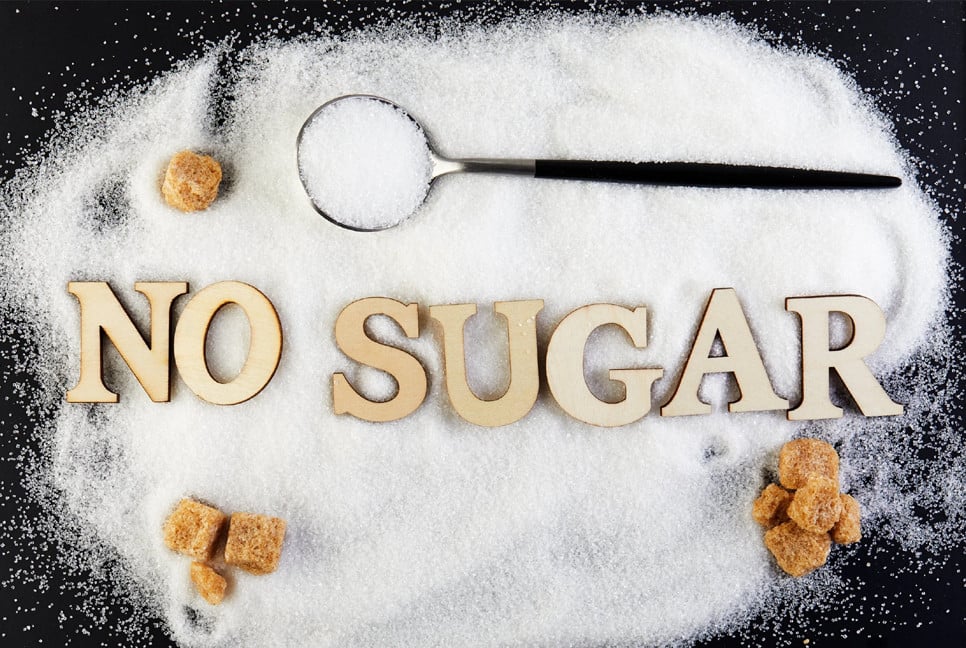
Putin avoids sugary foods as a rule. Honey is said to be his only regular sweetener. Ice cream is something he has admitted to enjoying “from time to time,” but it is not a daily indulgence. His focus, as reported, is on foods that offer steady energy without causing sugar highs or crashes.
A strong preference for vegetables and fish
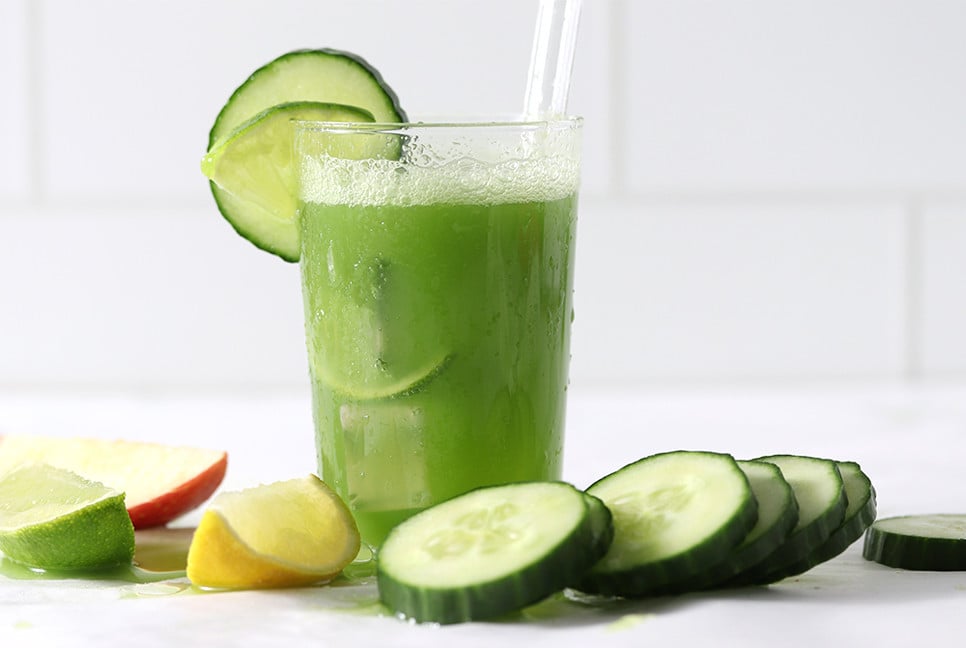
Vegetables are a regular part of his meals, usually tomatoes, cucumbers, and simple salads. When choosing between fish and meat, Putin often prefers fish. However, he has mentioned that lamb is another favourite. While he likes rice and buckwheat, he has expressed a lack of interest in oats.
Light afternoon eating depending on work
The president’s afternoon meals are shaped by his schedule. On busy days, he may only have fruit or a glass of kefir, a fermented milk drink known for its gut-health benefits. The emphasis remains on light, easily digestible foods that do not interfere with long hours of official work.
Dinner is often skipped entirely
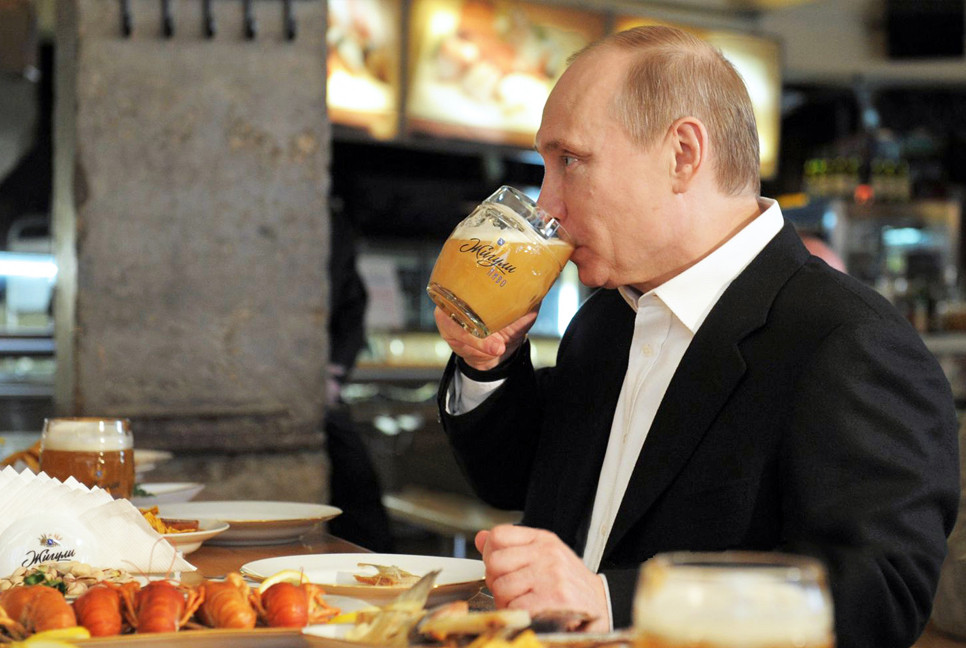
One of the most surprising aspects of his routine is that he often skips dinner. Whether at home or during foreign visits, Putin prefers to keep his evening meals minimal. When he is travelling, he does try local dishes of the country he is visiting, but he still keeps the portions small.
Source: NDTV, India Today
Bd-pratidin English/ ANI