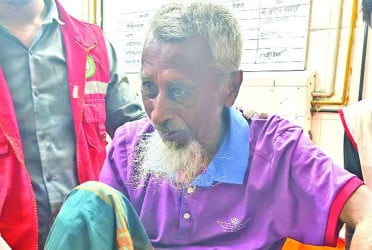

One in every three people in Bangladesh suffers from some form of illness, with women reporting higher morbidity than men, according to the Health and Morbidity Status Survey (HMSS) 2025 released by the Bangladesh Bureau of Statistics (BBS).
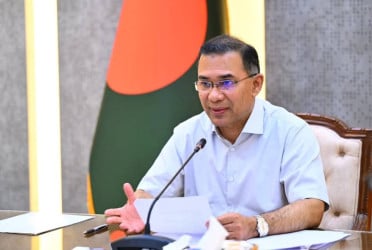
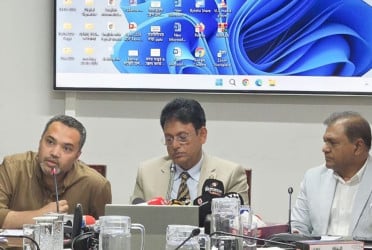
The survey findings were unveiled on Sunday at the BBS Auditorium in Agargaon. BBS Deputy Director Md Alamgir presented the results at an event chaired by BBS Director General Mohammad Mizanur Rahman. Statistics and Informatics Division Secretary Aleya Akter and Additional Secretary of the Health Services Division Md Huzur Ali were also present.
According to the survey, 33 percent of the population—332.19 per 1,000 people—reported suffering from an illness in the 90 days preceding the survey. Women experienced a higher rate of morbidity at 354.56 per 1,000, compared to 309.06 per 1,000 for men. Illness prevalence increased sharply with age, reaching 744 per 1,000 in the 75–79 age group, while infants under one year recorded 232 per 1,000.
High blood pressure or hypertension emerged as the most common ailment, affecting 78.28 per 1,000 respondents, followed by peptic ulcer (63.79), diabetes (43.15), arthritis (39.75), skin diseases (37.23), heart disease (31.32), asthma (30.94), osteoporosis (22.30), hepatitis (22.30), and diarrhea (15.89).
The survey covered 47,040 households and 189,986 individuals nationwide during November and December 2024. Average per capita medical expenditure over the three months prior to the survey was Taka 2,487, with women spending slightly more (Taka 2,576) than men (Taka 2,387).
Tobacco use among individuals aged 15 and above was recorded at 26.7 percent, with higher prevalence in rural areas (27.7 percent) than in urban areas (24.1 percent). Among women aged 15–49, 5.2 percent were pregnant during data collection, while 6.9 percent had delivered in the preceding 12 months. The nationwide caesarean delivery rate was 49.3 percent, higher in urban areas (53.3 percent) than in rural areas (48.1 percent), with an average delivery cost of Taka 22,677.
BBS officials emphasized that the findings will support policymakers in improving healthcare planning, targeting resources effectively, and addressing the country’s evolving health challenges.
Bd-pratidin English/ Jisan