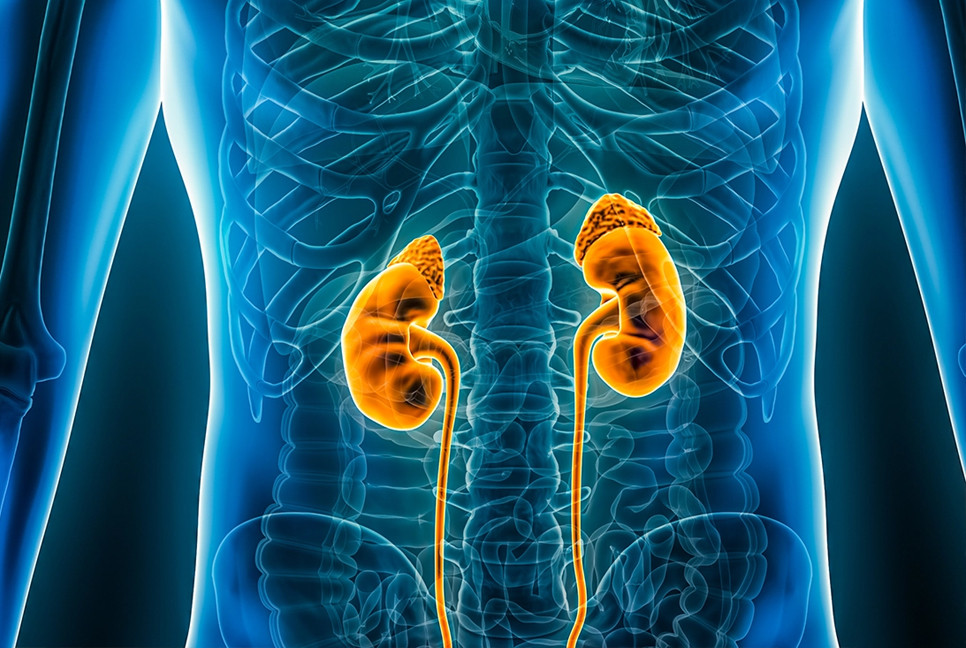
In a groundbreaking development after more than a decade of research, scientists from Canada and China have successfully created a “universal” kidney that could be transplanted into patients of any blood type.
The kidney, originally from a blood type A donor, was converted to the universal blood type O using specialized enzymes developed by researchers at the University of British Columbia and biotech firm Avivo Biomedical Inc.
The modified organ was then transplanted into a brain-dead patient with the consent of their family. Remarkably, the kidney functioned for several days without signs of severe rejection, offering hope to reduce transplant waiting lists and save lives.
Published in the journal Nature Biomedical Engineering, the study offers new hope in addressing global organ shortages. Experts believe this innovation could drastically reduce kidney transplant waiting lists and save countless lives in the years to come.
“This is the first time we've seen this play out in a human model,” said Dr Stephen Withers, UBC professor emeritus of chemistry who co-led the enzyme development. “It gives us invaluable insight into how to improve long-term outcomes.”
This breakthrough means kidneys no longer need to match recipients' blood types exactly, which could dramatically increase the number of available donor organs and improve transplant success rates.
According to a release by The University of British Columbia, this breakthrough is the result of more than a decade of work. In the early 2010s, Dr. Withers and colleague Dr Jayachandran Kizhakkedathu, a UBC professor in the department of pathology and laboratory medicine and the Centre for Blood Research, were focused on making universal donor blood by stripping away the sugars that define blood types.
This breakthrough addresses a critical problem: type-O patients, who form over half of kidney waitlists, often wait 2-4 years longer because type-O kidneys are in high demand. Current transplant methods require suppressing patient immunity and are limited to living donors. The new enzyme treatment changes the organ itself, allowing faster transplants, fewer complications, and access to organs from deceased donors regardless of blood type.
In late 2023, researchers demonstrated the first successful transplant of a converted kidney into a brain-dead recipient, where it functioned well without rejection for several days. The enzymes act like molecular scissors, stripping away the "nametag" antigens that trigger immune attacks.
Next steps include regulatory approvals and clinical trials, led by UBC spin-off Avivo Biomedical. This technology promises to revolutionise organ transplants, reduce wait times, and save lives by breaking the blood-type barrier.
Courtesy: NDTV
Bd-pratidin English/ ANI