Arpita had been feeling increasingly weak for months. She suffered from dizziness and trembling limbs, and her husband, Ratul, suspected diabetes. He planned to consult a doctor when possible, but before they could act, Arpita collapsed from extreme dizziness and began vomiting.
She was rushed to the hospital and received treatment for four days. Though she initially recovered, her symptoms returned within a month. Under the care of a medicine specialist for a year, her condition still did not improve—her body continued to shake, and her heartbeat remained irregular.
Ratul sought a second opinion. The new doctor examined her history and asked if her FT3, FT4, and TSH levels had been checked—tests essential for diagnosing thyroid conditions. Once completed, the tests confirmed she had thyrotoxicosis, a condition caused by an overactive thyroid, often linked to iodine deficiency.
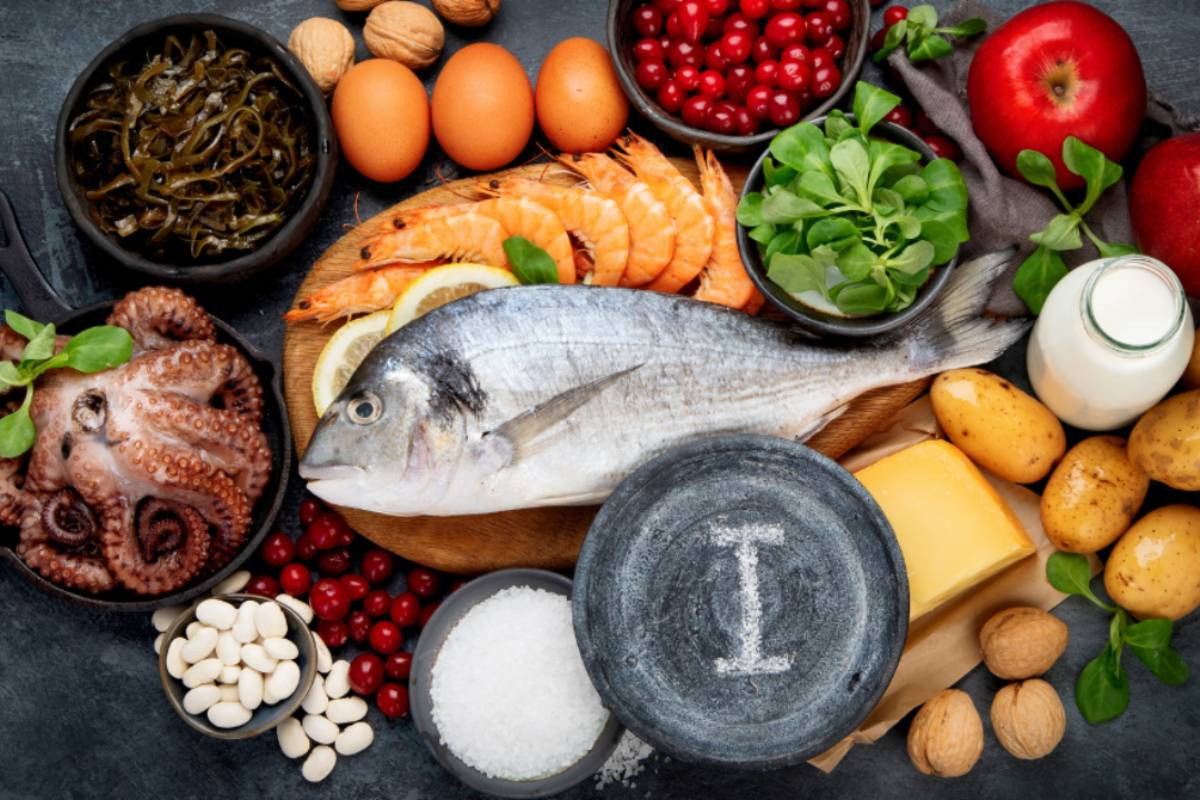
With the right medication and dietary adjustments—specifically iodized salt and sea fish—Arpita fully recovered in six months.
Thyrotoxicosis is a hormone-based disorder, often stemming from inadequate iodine intake. It can dangerously raise heart rate and blood pressure, inhibit physical and mental development, and in pregnant women, lead to birth defects or disabilities in newborns.
Iodine deficiency is a widespread issue, not just in Bangladesh but globally. A person needs at least 0.075 milligrams of iodine daily, commonly obtained from iodized salt. However, a local study found that 49% of iodized salt in Bangladeshi markets lacks the required iodine levels, putting millions at risk of iodine deficiency disorders (IDD).
This deficiency not only threatens individual health but also poses long-term developmental risks for the country. Arpita’s case is a stark reminder of the dangers of neglecting micronutrient health and the need for effective food regulation, public awareness, and early medical intervention.
Source: BSS
Bd-pratidin English/ Jisan