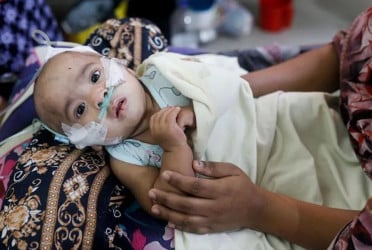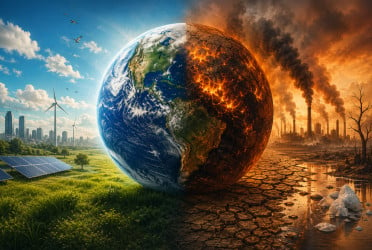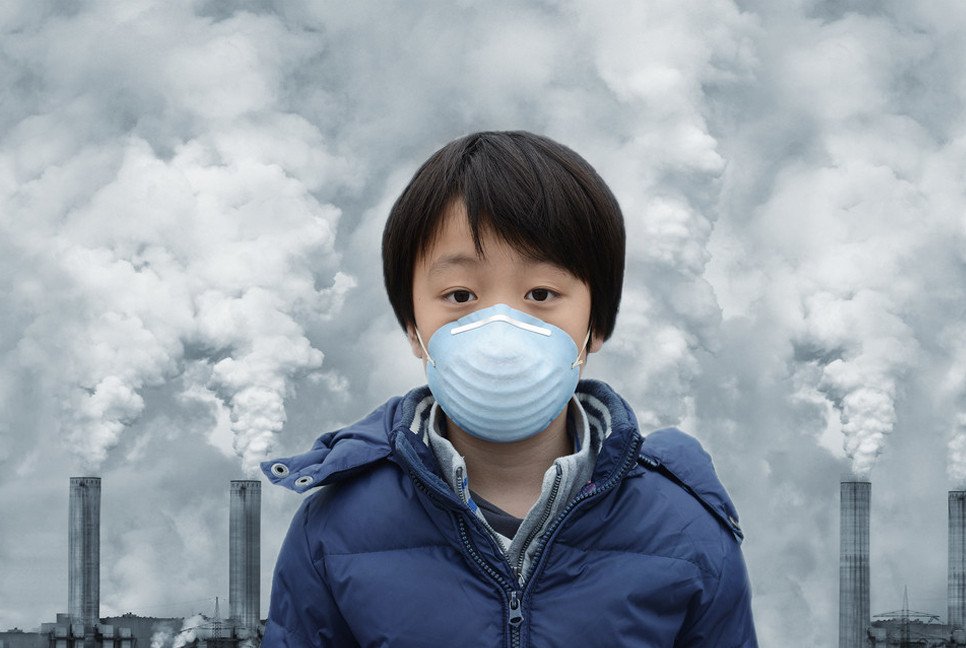
Air pollution has emerged as a silent epidemic killing Bangladeshi children, with child deaths from polluted air reaching alarming levels in the country and other least developed nations, according to a new international study.
The report by Zero Carbon Analytics (ZCA), titled “Structural Dependencies Perpetuate Disproportionate Childhood Health Burden from Air Pollution”, released on Wednesday (Bangladesh time), reveals that air pollution is now the second leading cause of death among children under five worldwide, after malnutrition.
More than a quarter of all deaths in this age group are linked to polluted air, with Bangladesh among the most severely affected countries. Air pollution not only claims young lives but also causes lifelong illnesses, underscoring the urgent need for a swift and just transition away from fossil fuels, the study says.
According to the findings, children in least developed countries face a 94 times higher risk of dying from air pollution than their counterparts in developed nations. Researchers attribute this staggering disparity to entrenched fossil fuel dependence, pollution-heavy infrastructure, excessive use of dirty energy, and institutional inertia.
“Air pollution is one of the biggest threats to children’s health in Bangladesh and across the world today. Clean air is as essential as clean water,” said Dr Sajid Hossain Khan, physician at the National Institute of Diseases of the Chest & Hospital.
“To ensure our children survive, grow up healthy and thrive, we must take decisive action now to reduce air pollution.”
Brick kilns and household fuels: Deadly polluters
ZCA researchers examined pollution sources in Bangladesh, South Africa, Brazil and Nigeria.
In Bangladesh, they found that industrial emissions, household activities, brick kilns, coal power plants and vehicle exhaust are exposing children to severe health risks.
Bangladesh, which ranks among the world’s most polluted countries, recorded over 19,000 deaths of children under five in 2021 due to air pollution – nearly two deaths every hour.
Rapid urbanisation, driven by climate migrants in major cities like Dhaka, has made brick kiln–based construction a key contributor to toxic air. Fine particulate matter (PM2.5) from these kilns drastically increases the risk of pneumonia among children.
The country also lags behind all other Asian nations in access to clean cooking technologies. Smoke from burning wood, dung and coal is poisoning indoor air, disproportionately affecting pregnant women, newborns and young children.
Mothers using high-polluting fuels face a 2.6 times higher risk of giving birth to low-weight babies, while newborns in polluted households are four times more likely to die. Children aged 3-5 exposed to fumes from solid fuels face a 47% higher risk of delayed cognitive development, the report warns.
“One of the strongest vaccines we can give a child is clean air,” said Dr Zainab Yaro, a Nigerian paediatrician, in the report.
“When a child struggles to breathe, it is not just a health issue — it is a form of social and environmental injustice.”
Financing inequality deepens the crisis
The report highlights a stark investment gap between humanitarian losses and financial priorities.
From 2018 to 2022, the world spent an average of $593 billion annually on fossil fuel subsidies, but less than one percent of this amount went to tackling air pollution.
This misallocation, researchers argue, locks countries into pollution-based infrastructure, worsening children’s health and delaying clean energy transitions.
“Air pollution is not just an environmental issue – it is now a question of justice. Children are dying because of energy and economic systems they did not create,” said Joanne Bentley-McKune, the report’s lead researcher.
The report recommends modernising brick kiln technology, which could yield greater health savings than the required investment. It also stresses that fully transitioning to clean cookstoves could prevent over 16,000 child deaths annually in Bangladesh. Additionally, an urgent shift from fossil fuels to renewable energy is needed to safeguard both children’s health and the nation’s future.
Courtesy: Daily Sun
Bd-pratidin English/ ANI