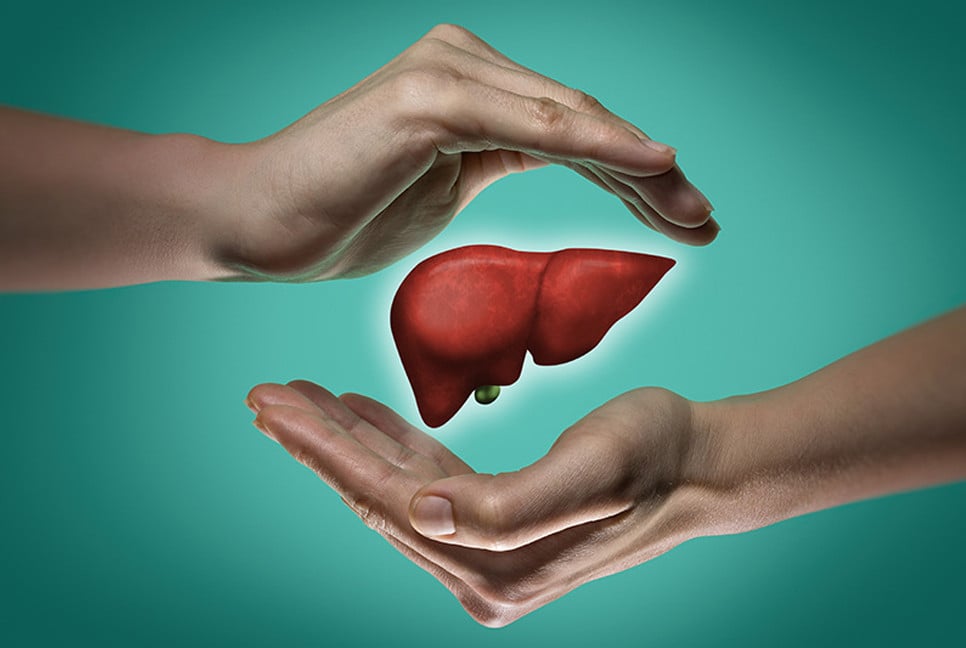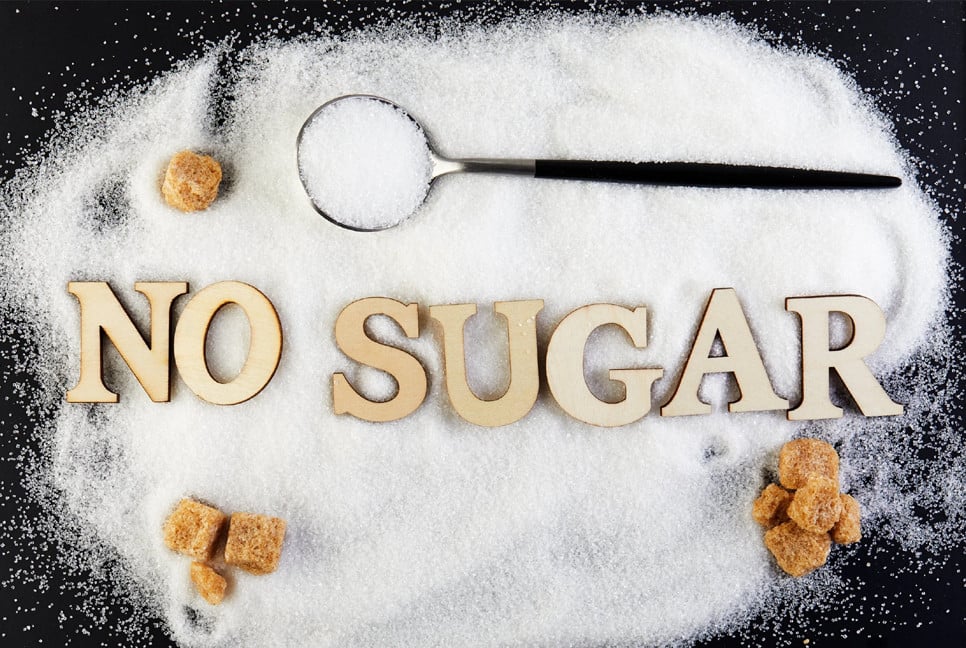
A new study has revealed that a fiber-rich diet can help prevent or reduce a common liver disease caused by excessive consumption of dietary fructose, a sweetener commonly found in processed foods and soft drinks.
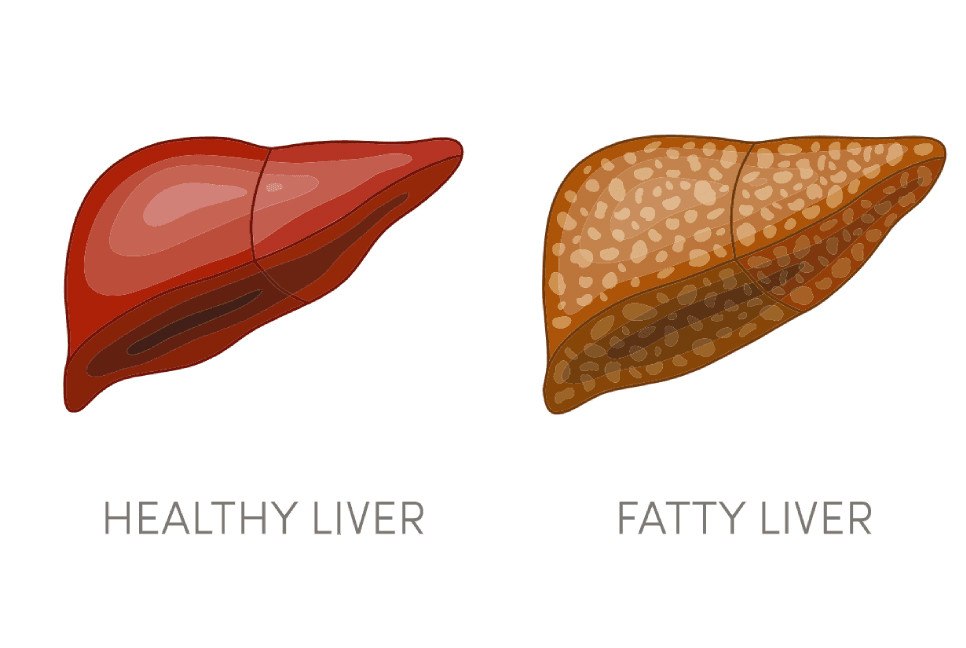
According to researchers, fatty deposits formed by high fructose intake can damage the liver, eventually leading to a form of fatty liver disease marked by inflammation, scarring, and even permanent organ damage.
How fructose harms the liver
Experts explain that fructose, especially the kind added to processed foods, contributes to fat buildup in the liver. Over time, these fatty deposits impair liver function and may trigger a condition known as non-alcoholic fatty liver disease (NAFLD).
The study found that people who consume large amounts of sugary drinks and fast food are at higher risk, while those who eat foods rich in natural fiber — such as fruits, vegetables, and whole grains — are better protected.
Researchers warn that this liver disease is often hard to detect, partly because it tends to occur in overweight or obese individuals, where symptoms may go unnoticed.
If left untreated, the disease can progress silently, eventually leading to serious complications, including heart disease, as earlier studies have shown.
Why fiber makes difference
According to the study, dietary fiber helps regulate metabolism, reduces fat accumulation, and supports the growth of healthy gut bacteria — all of which contribute to better liver health.
This finding reinforces the importance of whole, plant-based foods over processed meals that are loaded with artificial sweeteners and refined carbohydrates.
Courtesy: SAMAA
Bd-pratidin English/ ANI