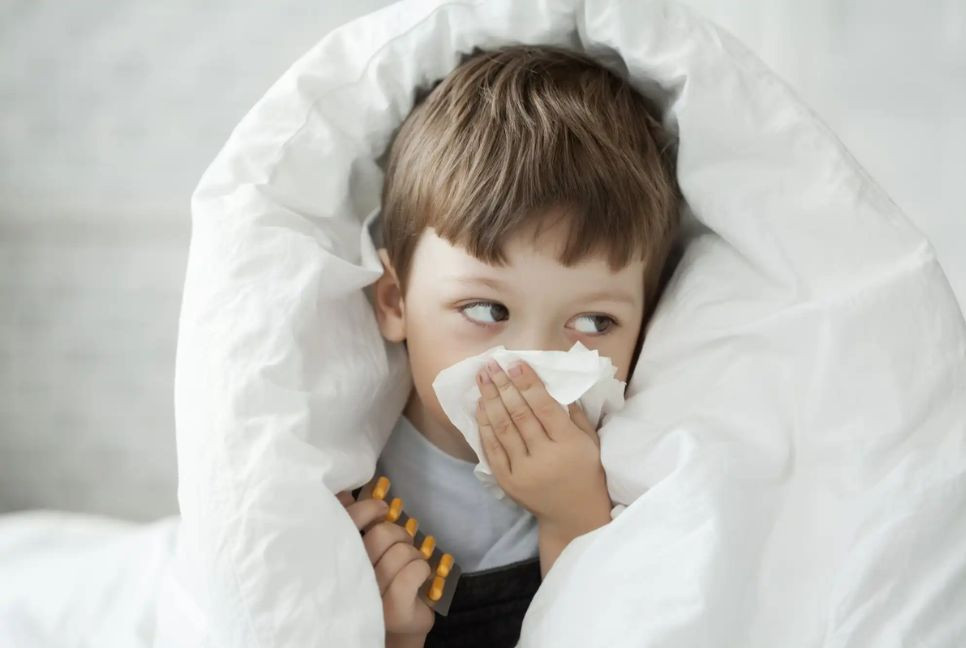
As autumn sets in, coughs and colds are spreading fast. But how do you know if it’s just a cold or something more serious — and how can you protect yourself?
Medical doctor and BBC presenter Dr Oscar Duke shares his advice.
Does colder weather cause colds?
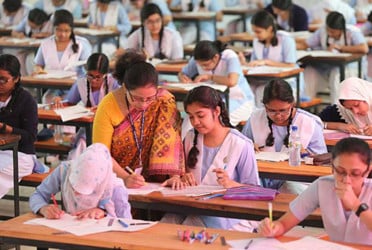
Research on how cold weather affects our immune system is still unclear. However, shorter days drive people indoors — ideal conditions for viruses to spread. Schools, nurseries, and university halls act like “petri dishes,” says Dr Duke, as children and students mix after holidays, often bringing germs home. Late nights and drinking further weaken immunity.
Is it a cold, flu or Covid?
While symptoms overlap, there are some tell-tale signs.
Colds usually develop gradually, affecting the nose and throat, often with ear pressure and a mucus cough.
Flu hits suddenly with fever, muscle aches and exhaustion, often making you feel bedbound.
Covid mimics flu symptoms but can cause loss of taste or smell, diarrhoea, and — with current variants Stratus and Nimbus — a “razor-sharp” sore throat.
Dr Duke says, “If a cold’s coming on, it often does so gradually. It’s going to affect your nose and the back of your throat.” If symptoms worsen or last over three weeks, or you experience breathlessness, seek medical advice. Otherwise, rest and recover at home.
How to help yourself recover
“Our bodies naturally fight viruses, but we can also give them a helping hand,” says Dr Duke.
- Paracetamol or ibuprofen can reduce fever and pain — but check ingredients in cold mixtures to avoid overdose.
- Vitamin C has little proven benefit unless you’re deficient; focus instead on a balanced diet.
- Vitamin D supplements are recommended in winter due to low sunlight.
- Decongestant sprays work quickly but “using them too often can cause rebound congestion,” Dr Duke warns. Limit to four or five days.
- Chicken soup may not fight infection but helps soothe the throat and maintain hydration.
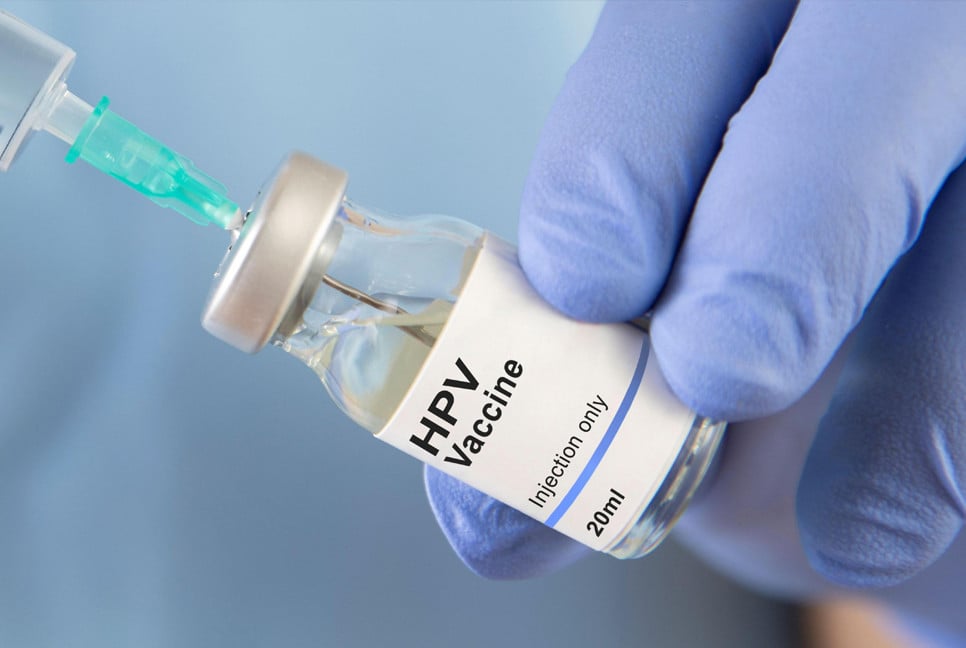
Vaccination remains vital.
Free annual flu jabs are available for those most at risk. Children aged two or three on 31 August qualify, while older ones receive theirs at school. Appointments can be booked through the NHS website or GP practices.
Source: BBC
Bd-pratidin English/FNC