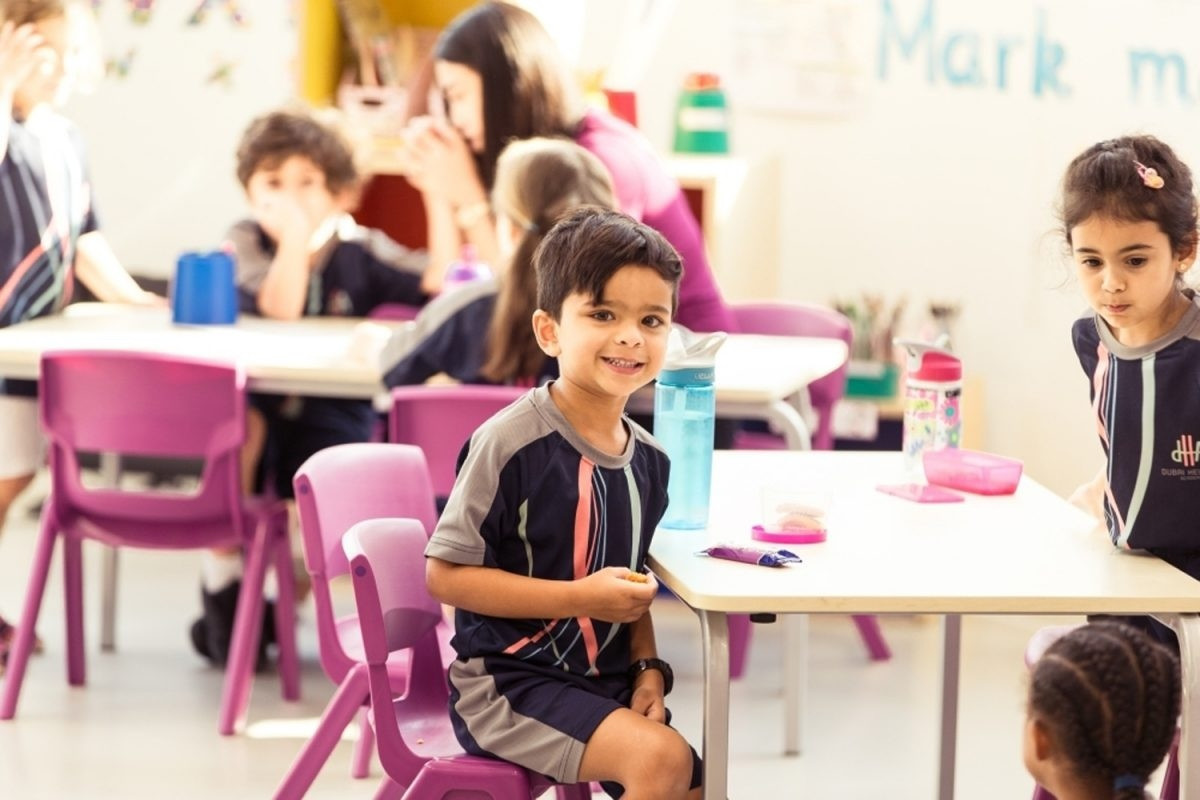
Schools across the UAE have implemented a ban on online food delivery services such as Talabat and Noon. The initiative is part of broader government efforts to instill lifelong healthy eating habits and ensure school environments support student well-being.
When Khaleej Times reached out to schools across the Emirates, administrators described how they are putting these rules into practice.
Ahmed, Managing Director of Woodlem Education, explained their school’s stance:
"We do not allow online food ordering for students, as our canteen is fully equipped, aligned with Ministry of Health standards, and provides nutritious, high-quality meals."
He emphasized that no child is left without food:
"If a student forgets their lunch, our staff arrange a healthy meal from the canteen. Parents can also drop lunch boxes at reception, and our team ensures it reaches the child without disruption."
He also highlighted strict compliance with Dubai Municipality (DM) and Dubai Health Authority (DHA) food safety regulations, noting meals are tailored for allergies and cultural needs.
GEMS Education schools recently issued a formal circular reminding parents of the ban and food handover policies.
“Before handing over food, parents must sign an Undertaking Form at the school reception. Online food delivery services are strictly prohibited,” the circular stated.
The guidelines also reaffirm compliance with food safety and child safeguarding rules outlined by KHDA and DM.
At JSS Private School in Dubai, Principal Chitra Sharma shared how forgotten lunches are handled:
“Parents are contacted immediately and asked whether they prefer a cafeteria meal or to bring food from home. If the cafeteria is chosen, we confirm the menu with parents to match dietary requirements.”
She added that the school encourages students to take responsibility for remembering their meals, promoting independence and accountability.
On the topic of deliveries, Sharma said:
“No, we don’t allow them currently. However, we’re open to revisiting the policy if DHA guidelines change.”
In Abu Dhabi, the Department of Education and Knowledge (ADEK) introduced stricter food policies this academic year, including a complete ban on food delivery services during school hours.
Diyafah International School Principal David Flint detailed their 'No Child Left Empty' protocol:
“Parents are notified immediately. With our new cashless purchase system linked to student ID cards, children can buy healthy meals. Parents can top up the account remotely—even just before lunch.”
Flint added that their menus exclude sugary drinks and junk food, instead focusing on nutritious, clearly labelled options:
“We want children to view healthy eating not only as a habit but as an important part of their education.”
Source: Khaleej Times
Bd-Pratidin English/ Jisan