Bladder infections, especially in adults over the age of 50, could be an early warning sign of serious cancers, researchers from Sweden’s Lund University have warned.
A major study tracking 3.5 million people found that people diagnosed with cystitis, a common type of urinary tract infection (UTI), were significantly more likely to be diagnosed with urogenital cancers within three months—particularly cancers of the bladder, prostate, and womb.
The research, published in BMJ Health, showed that men with cystitis were 34 times more likely to be diagnosed with bladder or prostate cancer, while women had a 30 times higher risk, including an increased chance of developing womb cancer.
Though UTIs are common and usually harmless—affecting half of all women and one in seven men at some point—researchers believe that in some patients, cystitis may be triggered by underlying cancer or pre-cancerous changes in the urinary tract. These changes may impair local immune defenses, making infection more likely.
“The findings indicate that acute cystitis could be a clinical marker for urogenital cancer, at least when no other cause is obvious,” the authors said. “The risk is highest within the first three months after diagnosis.”
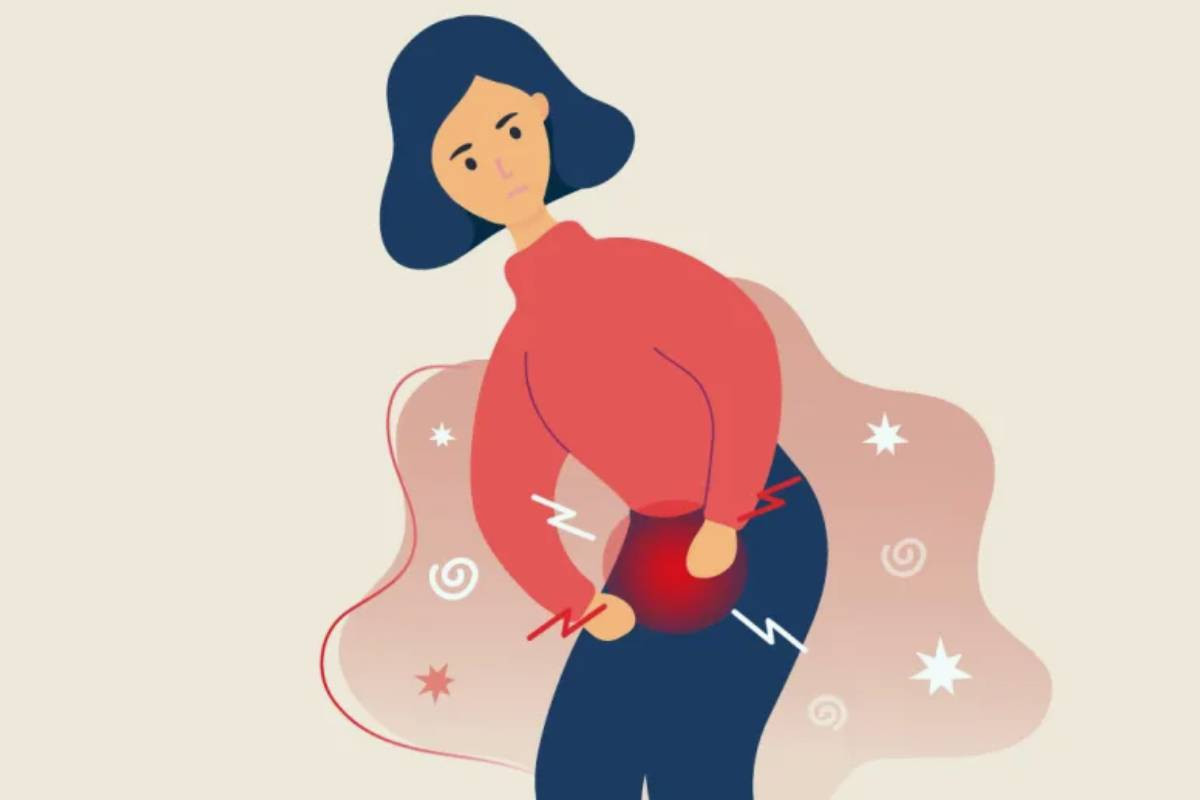
Cystitis symptoms include burning or pain while urinating, increased urgency or frequency, cloudy urine, tummy pain, and sometimes fever or blood in the urine. It is most often caused by E. coli bacteria, which enter the urethra and infect the bladder.
Although the elevated cancer risk declined over time, it remained consistently higher than in individuals without a UTI, prompting experts to call for thorough follow-up testing, particularly in older adults with unexplained or persistent infections.
The study comes amid rising concern over “cancers below the belt”—including bladder, womb, and prostate cancers. In the UK alone, over 10,000 people are diagnosed each year with bladder cancer, 10,000 women develop womb cancer, and prostate cancer remains the most diagnosed among men with 55,000 new cases annually.
Doctors stress that not all UTIs are linked to cancer, and most clear up with antibiotics. But given the findings, they recommend greater vigilance from both patients and healthcare providers.
According to the NHS, UTI risk increases with age, sexual activity, pregnancy, kidney stones, diabetes, and weakened immune systems. Women are particularly vulnerable due to a shorter urethra, which allows bacteria quicker access to the bladder.
If symptoms of a UTI appear—such as pain while urinating, fever, or blood in urine—doctors recommend prompt medical evaluation. In some cases, especially with recurrent infections or unusual symptoms, further tests may be necessary to rule out more serious conditions.
Experts say the study adds to growing evidence that infections can serve as early clinical markers for certain cancers—offering an important window for early diagnosis and treatment.
Source: The Sun (UK)
Bd-pratidin English/ Jisan