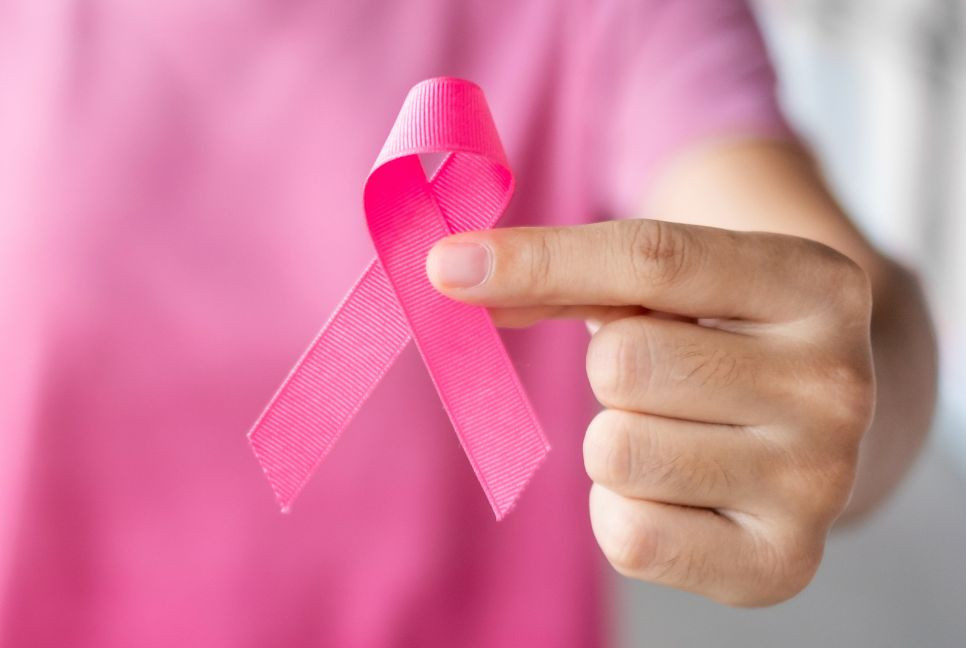
Breast cancer is usually more prevalent in women in their 40s, but there has been a steep increase of breast cancer cases in women in their 20s. This disturbing trend has given rise to more questions of what triggers the condition and how it can be prevented.
In an interview with Hindustan Times, Dr Bhavisha Ghugare, an Indian consultant in surgical breast oncology, said, “Awareness at this age is vital because younger patients are often present with more aggressive forms of the disease and delayed diagnosis due to low suspicion.”
Causes of breast cancer in 20s:
Unlike breast cancers in older women, cases in the 20s are often linked to:
- Inherited genetic mutations (BRCA1, BRCA2, TP53) greatly increasing lifetime risk.
- A strong family history of ovarian or breast cancer.
- A history of prior adolescent chest radiation therapy.
- Hormonal side effects, such as early menstruation or long-term hormonal treatment (though risk is still minimal)
- Lifestyle factors such as unhealthy eating patterns, obesity, lack of exercise, alcohol consumption, and smoking can also contribute.
Signs to look out for:
Breast changes are often dismissed by younger women as benign lumps or hormonal changes. Warning signs include:
- A persistent, painless lump in the breast or underarm
- Breast shape or size changes
- Skin dimpling, redness, or thickening
- Nipple inversion or discharge (particularly blood-stained)
Prevention and early detection tips:
Dr Bhavisha Ghugare shared a few ways to reduce the risk of breast cancer:
- Keeping a healthy weight and active lifestyle
- Reducing alcohol and avoiding smoking
- Diagnosis of family history, if relevant, genetic counseling and testing
- Breast self-awareness; understanding what is normal for your body and reporting changes immediately
- Early and frequent screening for high-risk women (mammogram or MRI starting at age 25 according to guidelines)
“In your 20s, breast cancer is not something you think of but being aware can bring all the difference. Early detection provides the greatest opportunity for a cure, and no concern is too small to discuss with your doctor,” added the oncologist.
Bd-pratidin English/FNC