In a year marked by conflict, five nations continue to rank among the world's most peaceful. Residents reveal how policies and culture shape daily life and create a sense of calm.
In 2025, peace can feel like a rare commodity. Global wars are escalating, border security is tightening, and trade tensions continue to mount. According to the 2025 Global Peace Index (GPI), the number of state-based conflicts has reached its highest level since World War Two, with three more breaking out this year alone. Many countries are responding with increased militarisation.
Yet despite those grim statistics, some nations continue to prioritise peace. The GPI, produced by the Institute for Economics & Peace, tracks 23 indicators, from external conflicts and military expenditure to safety and security measures like terrorism and homicide.
The countries ranked at the top of the index have been remarkably consistent for nearly two decades, showing the stability that peaceful policies can bring over the long haul.
BBC spoke to residents in some of the world's most peaceful counties to learn about how those policies shape day-to-day life – and what gives them a unique sense of security and calm.
Iceland
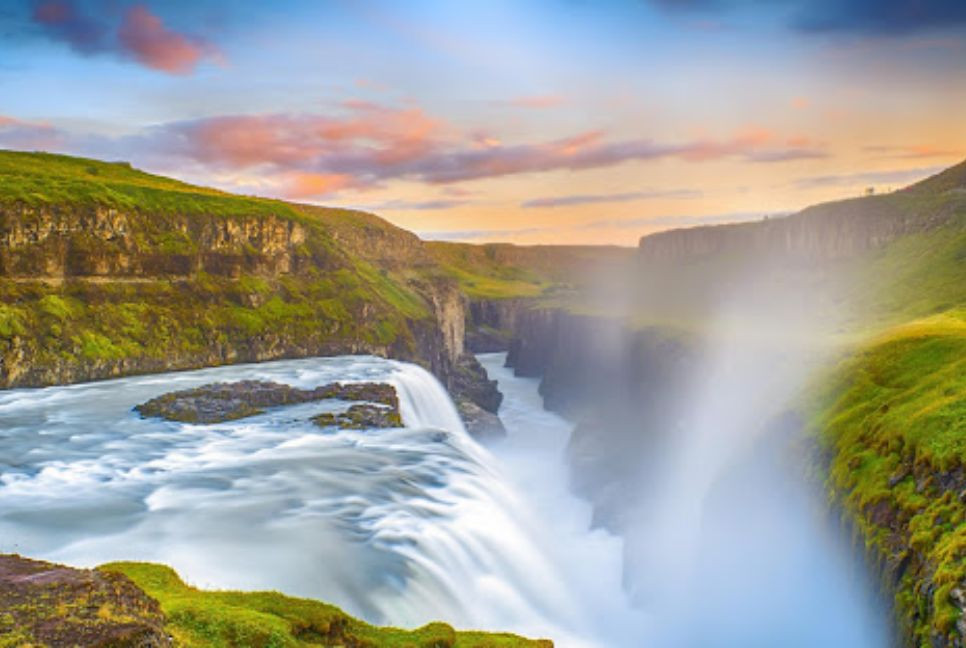
Ranked number one since 2008, Iceland remains the world’s most peaceful nation, leading in safety, conflict and militarisation. It even recorded a 2% improvement this year, widening its lead.
For locals, safety is part of daily life. "While harsh weather conditions, especially in winter, may not always create a sense of safety, community does," said Inga Rós Antoníusdóttir, general manager for Intrepid Travel North Europe. "You can walk alone at night mostly without worry; you will see babies sleeping peacefully in prams outside cafes and shops while their parents enjoy a meal or [are] running errands; and the local police don't carry guns."
She credits gender equality policies for creating security. "Equal opportunities and robust social systems create a fairer, safer society for everyone," she said. She advises visitors to join locals in daily rituals: "Go for a swim in a geothermal pool… hike a mountain… The real Iceland is found in its thriving music and art scene, in nature away from the main sites and in all kinds of weather."
Ireland
Once marked by conflict, today’s Ireland prioritises peace. It scores highly for reduced militarisation and few conflicts, and ranks in the top 10 for societal safety.
"A deep sense of community and friendliness makes you feel welcome and at ease, whether you're in a small town or a big city," said Jack Fitzsimons, Kildare resident and director at Kilkea Castle. Strong social support and community focus also ease tensions. "People look out for one another here… It’s the kind of place where you can ask a stranger for help and they'll go out of their way for you."
On the global stage, Ireland maintains neutrality, avoiding Nato membership and emphasising diplomacy. At home, it protects landscapes and cultural sites while ensuring travellers feel welcome. "It still amazes me how surprised guests are about how friendly Irish people are," said Fitzsimons. He adds, "You're never far from a castle, a quiet forest walk or a traditional music session in a cosy pub. Life moves at a more relaxed pace here, and people still value conversation and storytelling."
New Zealand
New Zealand climbed to third this year due to improvements in safety and fewer demonstrations. Geography shields it from external conflict, while strict gun laws strengthen internal security.
"New Zealand's gun laws are among the strictest in the world, which absolutely contributes to the sense of safety," said Mischa Mannix-Opie, director at Greener Pastures. "It’s a place where kids walk to school, people leave their doors unlocked and motorists will stop to help if a vehicle is broken down. There's a general trust in others and in the systems around you."
She says people also value connection to nature and community. "Beyond the postcard landscapes, New Zealand has real depth. The people are genuine, the Māori culture is rich and ever-present and the slower rhythm of life can really shift your perspective," she said. "One client told me that although New Zealand is beautiful, it's our people that are our superpower."
Austria
Austria slipped to fourth but remains high-ranking, following its constitutionally mandated neutrality.
"Austria's decades-long policy of neutrality means the nation invests in its people instead of conflicts," said Armin Pfurtscheller, owner of SPA-Hotel Jagdhof. "A strong social safety net, world-class healthcare and excellent education foster stability and trust."
He notes daily life feels safe: "People wander along the Ruetz River at midnight, homes are left unlocked and bicycles sit unchained outside cafes. Safe isn't just a statistic, it's the way life feels." Guests also sense this calm: "After a couple of days, their shoulders drop, the stress melts away, and they sleep like they did as children… That is the greatest sense of safety this place offers."
Singapore
Holding sixth place, Singapore is the only Asian nation in the top 10, ranking high for safety despite high military expenditure.
"I walk late at night and do not feel afraid," said resident Xinrun Han. "Walking home is not overwhelming or anxiety-provoking like it is in most large urban cities. There is 100% comfort and mutual trust in the system, which makes an environment that is calm, caring and peaceful."
Though same-sex marriage is still banned, events like the Pink Dot pride festival reflect growing acceptance. Han encourages visitors to embrace the freedoms safety brings: "Strolling along the river at 02:00, grabbing a bite from a late-night street food vendor or visiting the park after dark… It all feels very free, whether you're a resident or just visiting."
Courtesy: BBC
Bd-pratidin English/FNC