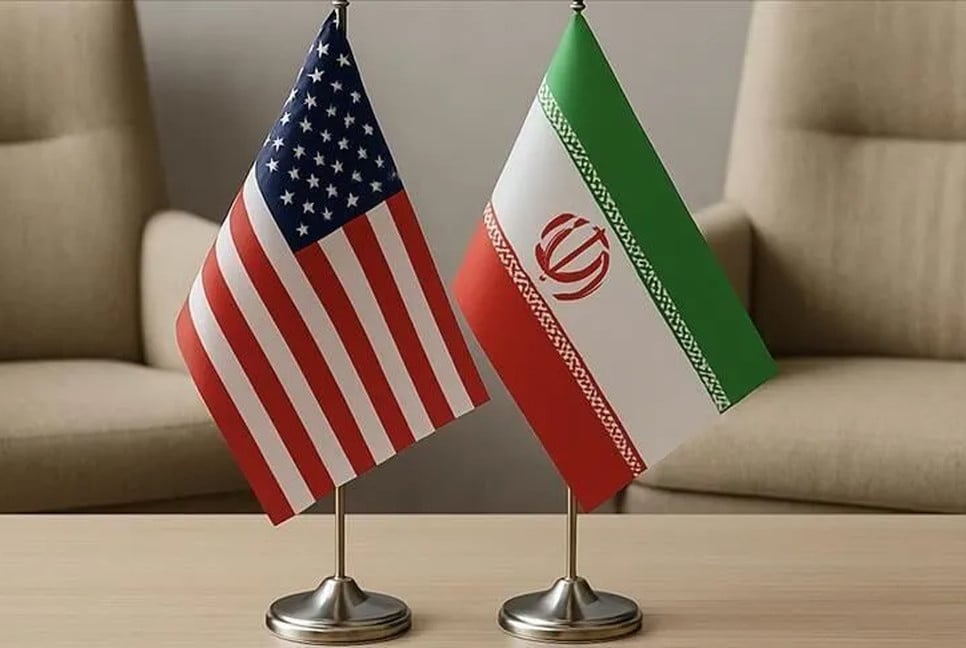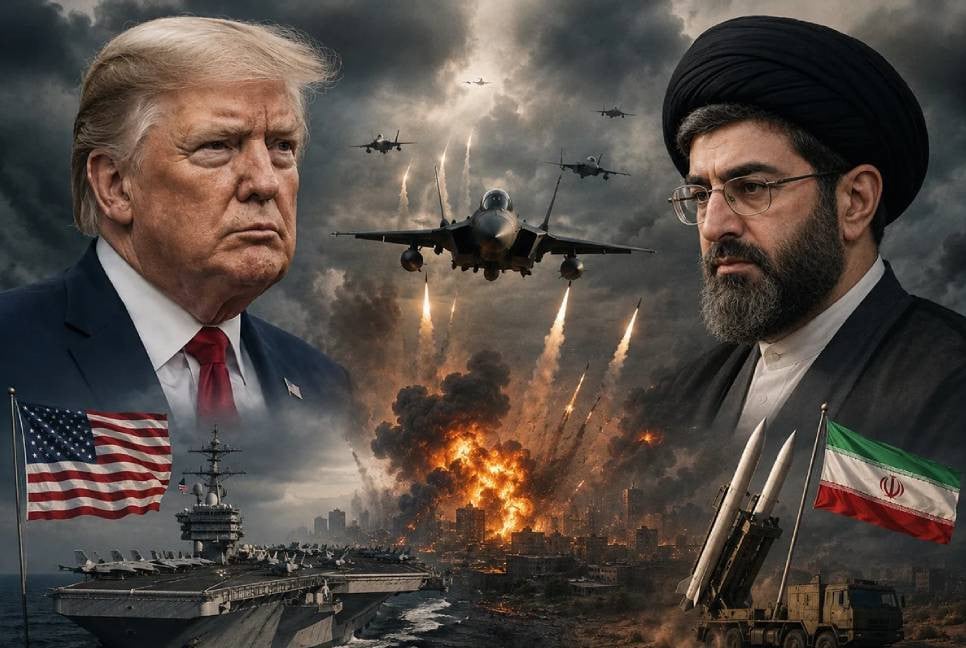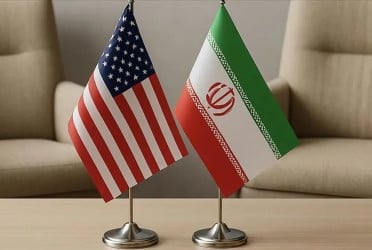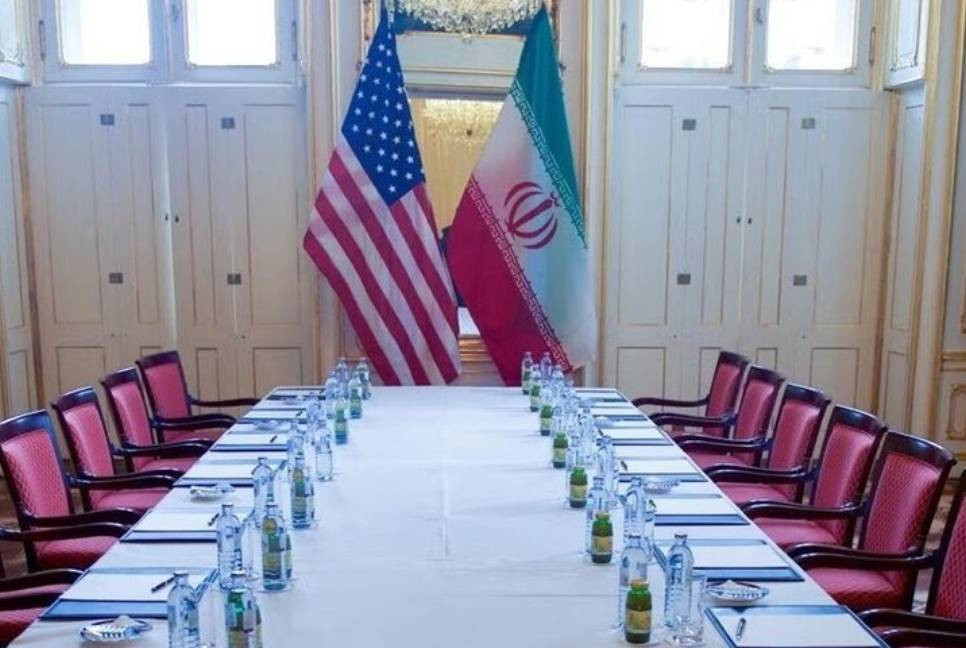
Marathon talks that failed to produce a breakthrough between the United States and Iran were not the final word in negotiations, officials in the US and the region said Monday, CNN reported.
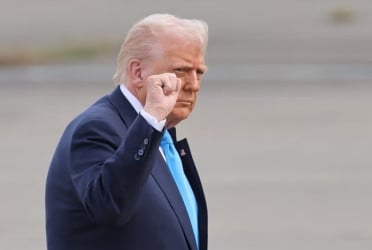
And US President Donald Trump remains open to resuming in-person negotiations soon if he believes Tehran is ready to submit to his demands, according to people familiar with the matter.
Trump officials are internally discussing details for a potential second, in-person meeting with Iranian officials before a ceasefire expires on April 21, a source familiar with the talks told CNN, though it’s unclear whether such a meeting would materialize.
Officials are looking at potential dates and locations should ongoing talks with Iran and mediators in the region progress in the coming days, the source said, describing the discussions as preliminary. “We need to be prepared to stand something up quickly should things head in that direction,” the source said.
But given previous Iranian resistance to a number of US demands, it is not clear Tehran would submit to Trump’s terms anytime soon, even as the US began a blockade of Iranian ports Monday morning. Both sides have proposed a suspension in Iranian uranium enrichment, but so far cannot settle on a mutually agreeable timespan for the moratorium, officials said.
And with the Strait of Hormuz still effectively closed, Iran believes it enjoys substantial leverage over the US, a position that was clear to negotiators in Islamabad this weekend.
Trump and Vice President JD Vance hold a different view: After weeks of war, Iran is badly weakened and would be wise to accept all of their demands. From their standpoint, the blockade is another pressure tactic — one intended to increase the temperature on Iran to return to talks in a more conciliatory fashion, officials said.
Trump said Monday that Iran had called the administration earlier that morning and that “they’d like to make a deal very badly.” He didn’t specify who had placed the call, or who in Washington had received it. Just a day earlier, he’d said he didn’t care whether a deal was struck.
The blockade has also injected fresh uncertainty into the situation — it remains unclear, for example, how far the US is willing to go militarily to enforce it and how Iran might react in the coming days and weeks.
Administration officials remain hopeful a diplomatic off-ramp is achievable, people familiar with the talks said. Depending on the pace of negotiations in the coming days, the US and Iran could also extend the ceasefire deadline to allow for more time, they said.
“There is continued engagement between the US and Iran and forward motion on trying to get an agreement,” a US official said.
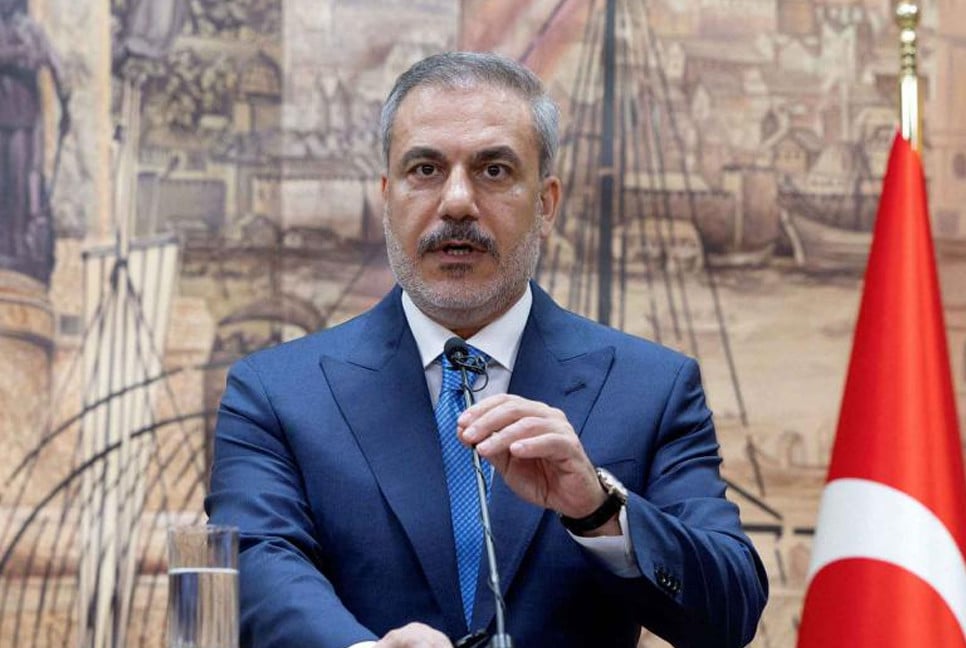
A regional source told CNN there could be another round of negotiations and that Turkey is working to bridge the gaps between the two sides. Saturday’s 21-hour meeting in Islamabad was the culmination of weeks of negotiations with top-ranking US officials and intermediaries including Pakistan, but also Turkey, Egypt and Oman, among others.
Several locations for Saturday’s negotiations had been floated before all parties agreed on Islamabad, including Geneva, Vienna and Istanbul. Geneva and Islamabad are again on the table as potential options for another round, the source familiar with the talks said.
bd-pratidin/GR