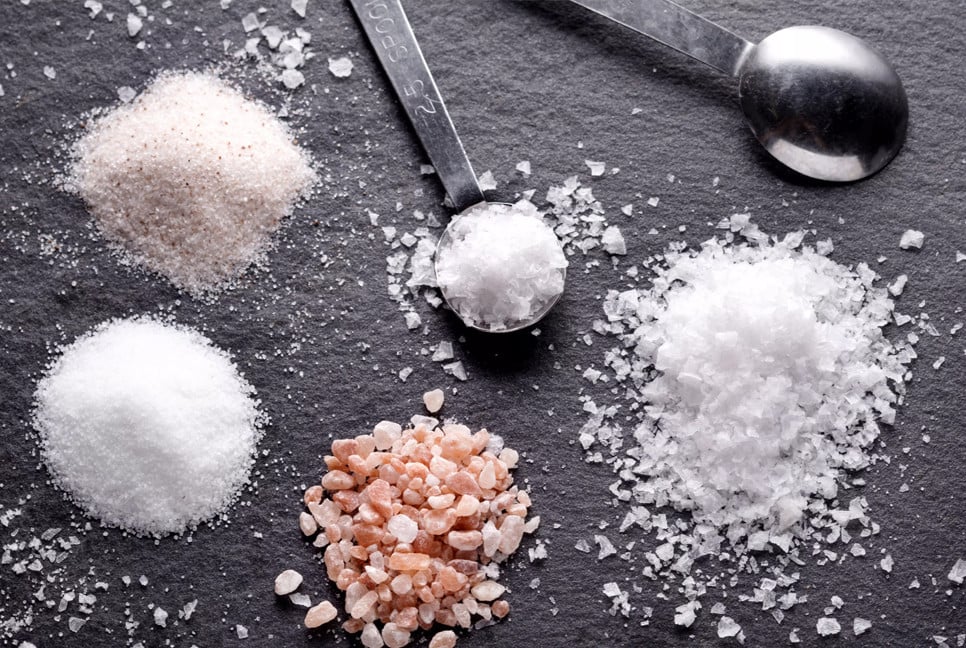
Salt is essential for our diet, aiding flavor, fluid balance, and nerve function. While white salt is common in homes, pink salt has gained popularity, leading to confusion about which is healthier.
Dajmeet, an Indian nutrition expert explains why you should not replace your white salt with pink salt.
In a video shared on Instagram, she says, "Ever since we have replaced white salt with pink, thyroid problems have increased. White salt has iodine, which is very important for our thyroid function. It helps prevent iodine deficiency disorders like goiter."
Additionally, sodium in white salt helps maintain fluid balance, supports nerve function, and regulates muscle contractions. It is also crucial for muscle function and can help prevent muscle cramps, especially for individuals who exercise regularly.
The nutritionist recommends using white salt for cooking purposes and pink salt for sprinkling on salads, without substituting one for the other.
Pink vs White Salt: Which Is Better?
Both table salt and pink salt are mainly sodium chloride, but the pink one contains up to 84 additional minerals and trace elements. These range from common ones like potassium and calcium to lesser-known ones such as strontium and molybdenum.
According to Healthline, the amounts are so minuscule that you'd need to consume around 1.7 kg of this salt just to meet your daily potassium requirement. In short, the extra minerals in pink salt are present in such low levels that they are unlikely to offer any real health benefit.
Many claim that pink salt offers various health benefits. In reality, most of these claims aren't backed by research. Some of the supposed benefits are actually just standard functions of sodium chloride, which you can get from any type of salt.
With so many misleading health claims, it's understandable that people get confused about which salt to choose. That said, if you prefer to avoid the additives found in regular table salt, pink salt is a good natural alternative. Just don't expect the dramatic health benefits often touted online.
Also, keep in mind that table salt is a key source of iodine. If you switch to pink salt, you'll need to get iodine from other foods like seaweed, dairy, and fish to prevent deficiency. Pink salt also tends to cost more than regular salt. If you're fine with additives, standard table salt works perfectly well.
Source:NDTV
Bd-pratidin English/ ANI