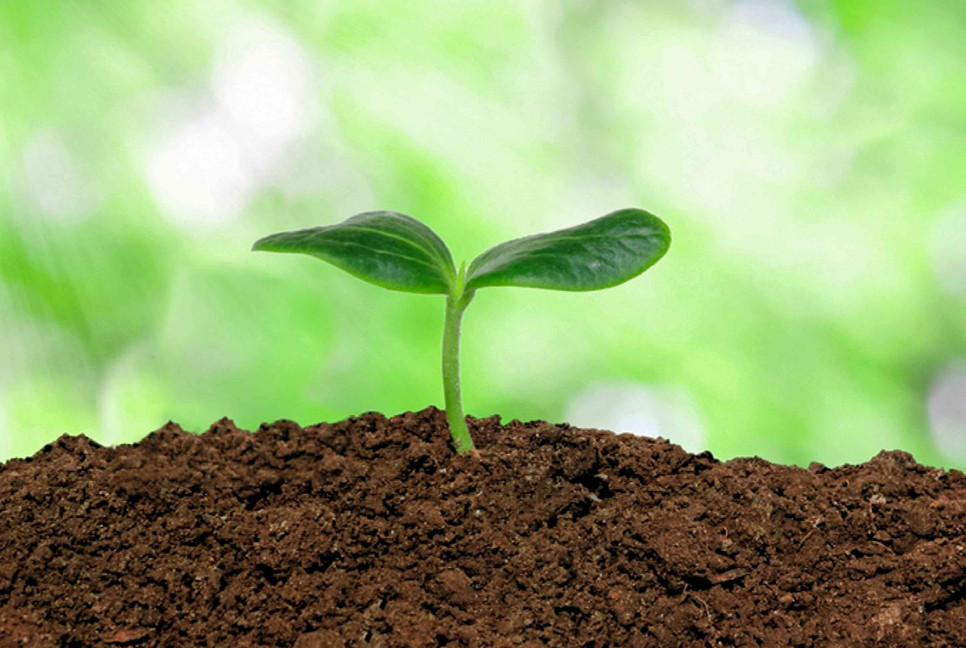
A lush and vibrant garden begins beneath the surface, with experts stressing that healthy soil is the foundation of successful gardening, reports AP.
While many focus on plants, specialists say soil is far more than just dirt. It is a living system rich in nutrients, organic matter and organisms such as bacteria, fungi, insects and worms.
A 2023 study published in Proceedings of the National Academy of Sciences found that soil may contain about 59 percent of all life on Earth, making it the most biodiverse habitat.
These organisms help control pests, break down organic material into natural fertiliser and improve soil structure by enhancing airflow and drainage, making soil health essential for plant growth.
Before planting, experts recommend checking soil type and structure. Sandy soil drains water too quickly, while clay soil retains excess moisture — both conditions can hinder plant development. To improve quality, gardeners are advised to add three to four inches of compost, leaf mould or well-rotted manure and mix it gently into the top six to twelve inches of soil.
However, over-tilling should be avoided as it can damage beneficial organisms, increase erosion and bring weed seeds to the surface. In later seasons, adding organic matter on top and allowing it to decompose naturally is considered more effective.
Testing soil pH is also crucial, as different plants require specific pH levels. Simple home testing kits can be used, with lime or sulfur added to adjust acidity when needed. Monitoring key nutrients such as nitrogen, phosphorus and potassium can also help guide fertiliser use.
Experts say building healthy soil is a gradual process. Organic materials and slow-release fertilisers are recommended for long-term improvement, while chemical solutions should be used sparingly.
Gardeners are also advised to avoid stepping on planting areas, as compacted soil restricts air and water flow and limits root growth.
Leaving soil uncovered can lead to erosion, nutrient loss and weed growth. Instead, applying organic mulch such as bark, straw or dry leaves or planting ground cover can help. A two to three-inch layer of mulch retains moisture, regulates temperature and suppresses weeds, though it should be kept away from plant stems to prevent rotting.
Gardening writer Jessica Damiano regularly shares such advice in her award-winning Weekly Dirt Newsletter.
Bd-Pratidin English/ AM