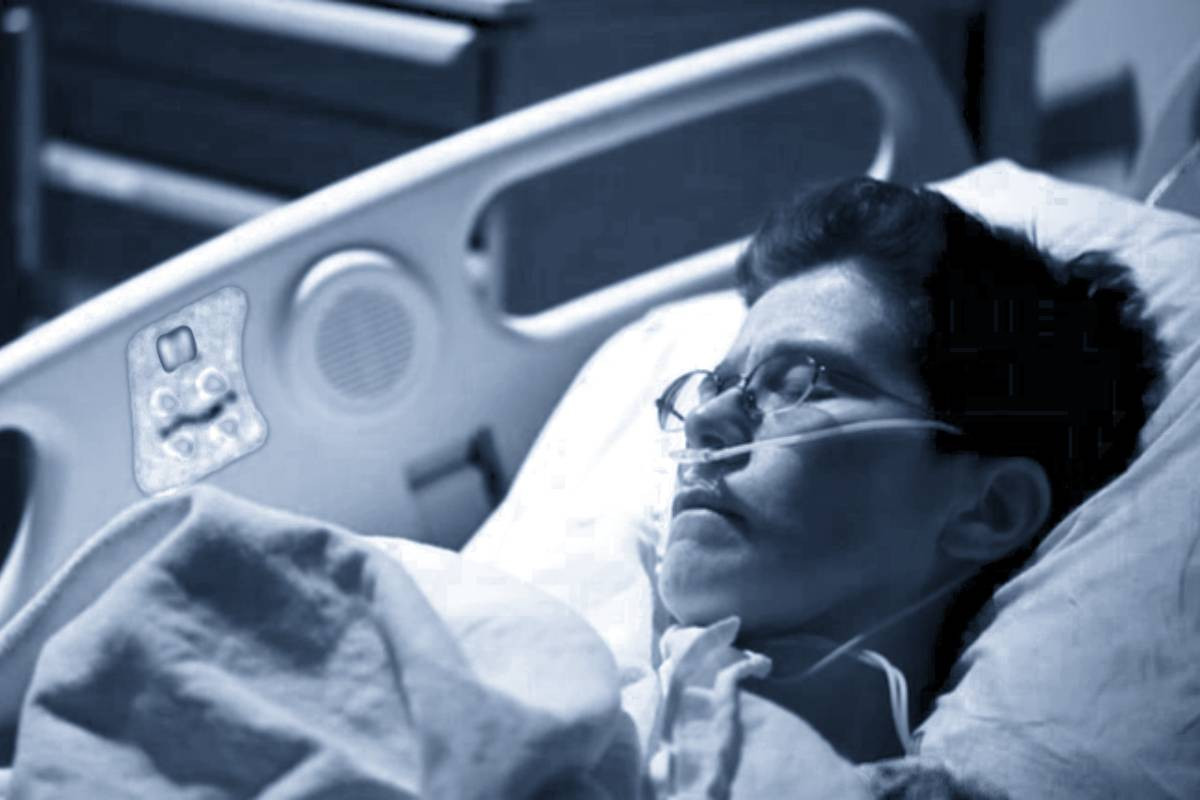
The human brain may remain active and potentially conscious for a period after the heart stops beating, according to a new study that challenges long-held assumptions about the moments surrounding death, reports BBC.
The research, led by Dr Sam Parnia, analysed 53 cardiac arrest survivors treated in 25 hospitals in the United States and the United Kingdom. Cardiac arrest occurs when the heart suddenly stops pumping blood. Traditionally, it has been believed that irreversible brain damage begins within about 10 minutes due to oxygen deprivation.
However, the study, published in the journal Resuscitation, detected signs of brain activity during resuscitation efforts — in some cases lasting up to an hour after the heart had stopped. Around 40% of patients reported some form of conscious awareness or memories during what is medically termed clinical death, with a few recalling conversations and events occurring in the room.
Brain monitoring revealed spikes in electrical activity associated with higher cognitive functions, including patterns linked to thinking and awareness.
Dr Parnia said the findings suggest the brain may be more resilient than previously understood. A better grasp of how the brain behaves during cardiac arrest, he added, could help refine cardiopulmonary resuscitation (CPR) techniques and improve treatment strategies to prevent long-term brain injury.
The study has sparked debate among medical experts about the nature of consciousness and how death is defined. Researchers say further investigation is needed but believe the findings could advance understanding of how the brain responds to extreme stress and oxygen deprivation during life-threatening events.
Bd-pratidin English/ Jisan